

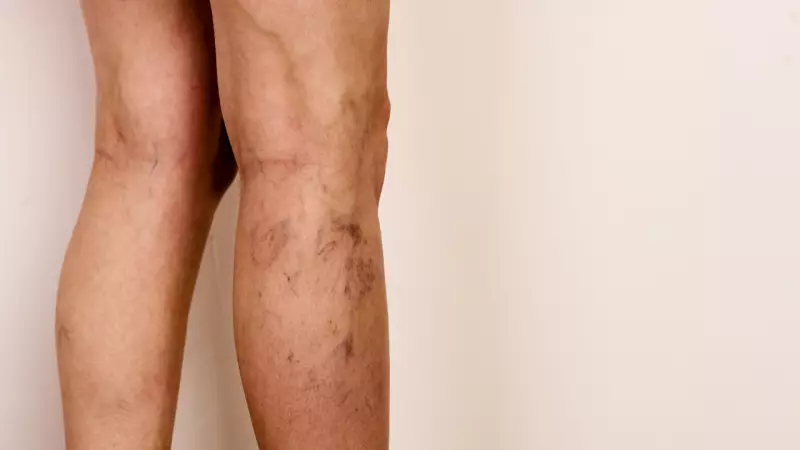
For millions dealing with the unsightly bulges and persistent discomfort of varicose veins, relief might be closer than they think. These twisted, enlarged veins, often visible on the calves and thighs, are more than a cosmetic concern. They can cause significant pain, a heavy, aching feeling in the legs, and swelling. Contrary to popular belief, they are often a result of poor circulation and weakened vein valves, not excessive movement. The good news is that incorporating simple, daily movements can act as a natural pump, significantly easing symptoms and improving quality of life.
Why Movement is the Best Medicine for Your Veins
The key to managing varicose veins lies in the calf muscle, often called the body's 'second heart'. When these muscles contract during movement, they squeeze the deep veins in the legs, pushing blood back up toward the heart against gravity. Regular, low-impact exercise strengthens this muscular pump and improves overall circulation, reducing the blood pooling that causes veins to stretch and bulge. The following exercises, recommended by physical therapists, are designed to be gentle yet effective, offering real relief without strain.
1. Calf Raises: The Foundation of Vein Health
This fundamental exercise is a powerhouse for calf strength. Stand tall with your feet hip-width apart, using a chair or wall for balance if needed. Slowly rise up onto the balls of your feet, lifting your heels as high as comfortable. Hold for a moment, then gently lower back down. Aim for 10 to 15 repetitions, two to three times daily. This consistent squeezing action directly pumps blood upward, and many report a lighter feeling in their legs after just a week of practice.

2. Ankle Circles & Leg Raises: Desk-Friendly Relief
For those with sedentary jobs, ankle circles are a perfect solution. Sit comfortably and extend one leg or keep your feet flat. Rotate your ankle slowly in a clockwise direction 10 times, then reverse. Repeat with the other leg. This simple motion loosens the joint and stimulates blood flow. Complement this with leg raises: lie on your back with one knee bent. Lift the straight leg to hip height, hold for five seconds, and lower slowly. Do 10 reps per leg. This uses gravity to help drain fluid and reduce swelling, especially after long periods of standing.
3. Walking & Swimming: The Ultimate Low-Impact Duo
Brisk walking for 20-30 minutes most days is one of the most accessible and effective exercises. It activates the entire leg's muscular pump without jarring impacts. Choose flat paths for minimal pressure. For even greater support, swimming is exceptional. The water's buoyancy completely supports your body weight, eliminating strain on veins while the rhythmic movements of arms and legs propel circulation. Aim for 20-30 minutes in the pool, two to three times a week.
Home-Based Exercises for Immediate Comfort
When you can't get outside, these indoor exercises offer excellent relief. The 'bicycle legs' exercise involves lying on your back and pedaling your legs in the air for 30-60 seconds at a time. This mimics cycling, working the thighs, calves, and ankles simultaneously to flush out stagnant blood. For deep relaxation, try the 'legs up the wall' yoga pose. Sit close to a wall, swing your legs up, and rest them vertically for about 10 minutes. This passive elevation allows gravity to drain blood from the legs effortlessly, providing notable relief from throbbing and heaviness.
Consistency is crucial. Integrating these exercises into your daily routine—during TV commercials, at your desk, or as a morning ritual—can lead to substantial improvements. Studies show that regular walkers report less pain and a visible reduction in vein prominence over months. Remember to start slowly, listen to your body, and combine this movement with other healthy lifestyle choices for comprehensive vein health and lasting comfort.






