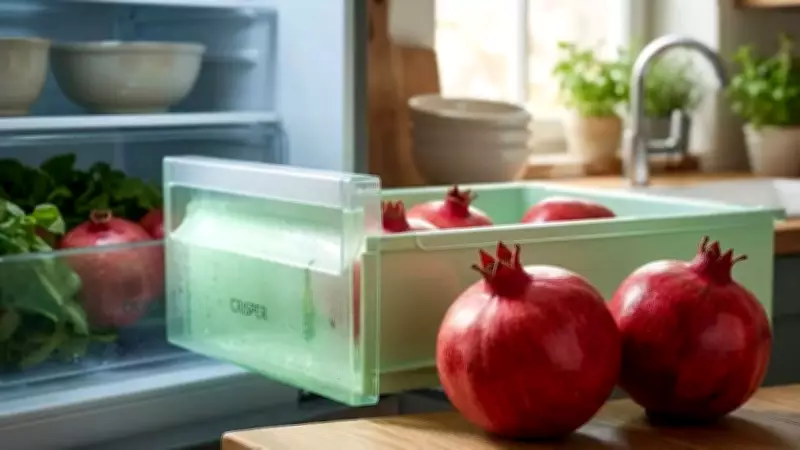
Pomegranates are a seasonal delight that many look forward to, but their shelf life can be disappointingly short. Often, people display these glossy red fruits in a bowl on the kitchen counter for their aesthetic appeal, not realizing that this practice accelerates spoilage.
Why Refrigeration Is Essential
To enjoy pomegranates well beyond their peak season, simply move them to the refrigerator. The crisper drawer is the ideal spot, maintaining freshness and juiciness for up to two months. Shifting from countertop to fridge is the key to preventing dehydration and decay.
The Science Behind Longer Storage
Many treat pomegranates like apples or oranges, leaving them out on the table. While a pomegranate can last one to two weeks at room temperature, it continuously loses moisture through its thick skin. In dry environments, the skin may wrinkle, and the seeds inside can lose their burst of juice and sweetness.

Refrigeration changes the game. Placing the fruit in the crisper drawer slows down its respiration rate and reduces moisture evaporation. This simple change can extend freshness from about ten days to up to eight weeks.
Best Storage Methods for Whole and Cut Pomegranates
Depending on when you plan to consume the fruit, choose the appropriate storage method:
- Whole pomegranate (room temperature): Store in a cool, dry place away from direct sunlight for 1–2 weeks.
- Whole pomegranate (refrigerated): Place in the crisper drawer to extend life up to 2 months.
- Loose seeds (refrigerated): After opening, store arils in an airtight container for up to 5 days.
- Loose seeds (frozen): For long-term use in smoothies or baking, freeze seeds for up to 6 months. To prevent clumping, spread them in a single layer on a tray before transferring to a bag.
Tips for Selecting the Perfect Pomegranate
When shopping, choose pomegranates that feel heavy for their size. Heavier fruits indicate juice-filled seeds. Also, look for fruits with slightly flattened sides rather than perfectly round ones; these often contain larger, juicier seeds. To avoid mess when removing seeds, cut the fruit open and submerge it in a bowl of water. The seeds sink, making collection easy, while the white pith floats for simple removal.
How to Detect Spoilage
Before eating, check for a fermented or vinegary smell, which signals that sugars have begun to turn. While a slightly leathery or scarred exterior is usually fine, deep soft spots, visible mold, or a dull thud when tapped indicate the fruit has passed its prime. If the arils inside are discolored, slimy, or bubbling, discard the fruit.
By following these storage tips, you can enjoy the vibrant flavor of pomegranates long after the season ends.