Are You Storing Fruits All Wrong? Why Your Fridge May Be Ruining Their Taste, Nutrition, and Shelf Life
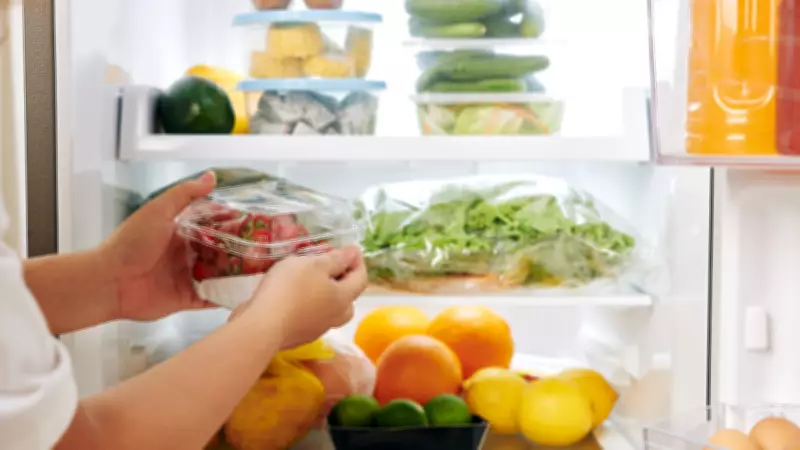
The refrigerator often becomes the default storage spot for fruits. It feels safe, clean, and practical. However, this habit is not always correct. Some fruits thrive in cold conditions, while others lose taste, texture, and nutritional value over time. The real question is: does refrigeration protect your fruit, or slowly ruin it? The answer depends on the fruit type, its ripeness, and how long it stays there.
Food safety authorities like the Food Safety and Standards Authority of India (FSSAI) have highlighted that storage conditions directly affect freshness, spoilage, and even nutritional content. Therefore, the choice is not random; it requires a bit of understanding.
When the Fridge Helps, and When It Harms
Cold temperatures slow down bacterial growth, which is the biggest advantage of refrigeration. Fruits like apples, grapes, berries, and citrus benefit from this environment. They last longer, remain crisp, and resist spoilage. However, not all fruits appreciate the cold. Bananas, mangoes, papayas, and pineapples suffer in low temperatures. The cold interrupts their natural ripening process, leading to dull flavor and uneven texture. For instance, a banana stored in the fridge may look fine on the outside but turn mushy inside.

A simple rule works well: if a fruit grows in a tropical climate, it usually prefers room temperature.
The Science Behind Ripening: Why Timing Matters
Fruits continue to ripen even after being picked, a process driven by a natural plant hormone called ethylene. Some fruits, like apples and bananas, release more ethylene, while others react strongly to it. Refrigeration slows down ethylene activity, which sounds helpful but can backfire. If a fruit has not fully ripened, the fridge can pause it at the wrong stage, resulting in fruit that never reaches its best taste. This is why experts often suggest letting fruits ripen outside first. Once they are ready to eat, the fridge can extend their life for a few days.
What Should Be Stored Outside Instead
A fruit bowl on the counter is not just for display; it is often the better storage space. Keep these fruits out of the fridge until they ripen: bananas, mangoes, papayas, pears, and peaches. Once ripe, they can be moved to the fridge if needed, but even then, they should not stay there too long. Additionally, avoid storing fruits in sealed plastic bags at room temperature, as they trap moisture and speed up decay. Breathable baskets or paper bags work better.
Smarter Ways to Store Fruits for Longer Life
A few small changes can make fruits last much longer without losing quality:
- Wash only before eating, not before storing. Moisture invites mold.
- Keep fruits dry and well-ventilated.
- Separate ethylene-producing fruits from others. Apples can make nearby fruits ripen too fast.
- Use the crisper drawer in the fridge, which maintains better humidity.
- Cut fruits should always go into the fridge, covered properly.
FSSAI also advises maintaining a fridge temperature below 5°C for safe storage, which slows microbial growth and keeps fruits safer for consumption.
The Impact on Nutrition
Does refrigeration destroy nutrients? Not entirely, but it can affect sensitive vitamins over time, especially vitamin C. Long storage, whether inside or outside the fridge, leads to gradual nutrient loss. Freshness remains the best guarantee of nutrition. Fruits eaten soon after ripening offer the most benefit. Therefore, the goal is not just storage but timing.
Disclaimer: This article is for general awareness and does not replace professional dietary advice. Storage needs may vary based on climate, fruit type, and individual health conditions. Always follow food safety guidelines issued by authorities like FSSAI or consult a qualified expert when needed.