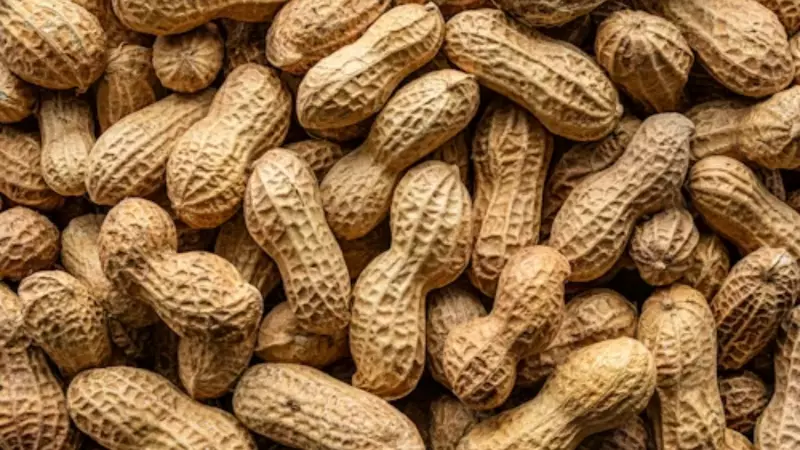
Could the humble peanut be a secret weapon against the aging brain? A growing body of scientific research is pointing to a fascinating connection between regular peanut consumption and potentially slower cognitive decline. The key appears to lie in a powerful compound found within this common legume.
The Science Behind Peanuts and Brain Protection
At the heart of this discovery is a natural compound called resveratrol. This polyphenol is celebrated for its antioxidant and anti-inflammatory properties. While resveratrol is famously associated with red grapes and wine, peanuts are a significant and more accessible dietary source, particularly the skins of raw peanuts.
Researchers believe resveratrol contributes to brain health through several mechanisms. It helps combat oxidative stress, a process that damages brain cells over time. Furthermore, it may improve blood flow to the brain and even stimulate the growth of new neurons in regions associated with memory and learning. These combined actions create a neuroprotective environment, potentially slowing the rate of age-related cognitive decline.
Integrating Peanuts into a Brain-Healthy Diet
Adding peanuts to your diet for cognitive benefits is simple, but context matters. Nutritionists emphasize that peanuts should be part of a balanced, nutrient-rich diet rather than a standalone solution. A handful of unsalted, dry-roasted, or raw peanuts makes for an excellent snack.
It is crucial to consider the form in which you consume them. Opt for natural peanut butter without added sugars and hydrogenated oils. Avoid heavily salted or honey-roasted varieties, as excessive sodium and sugar can counteract the positive benefits. Moderation is essential, as peanuts are energy-dense.
For those with allergies, this approach is not suitable, and alternative sources of resveratrol like blueberries, cranberries, and dark chocolate can be explored.
Broader Implications for Public Health and Aging
This research opens promising, low-cost avenues for preventive health, especially in aging populations. As life expectancy increases globally, finding dietary strategies to maintain cognitive function and quality of life becomes paramount. Simple, affordable interventions like including peanuts could have a substantial public health impact.
However, scientists caution that peanuts are not a miracle cure. A holistic approach to brain health remains critical. This includes:
- Regular physical exercise
- Engaging in mentally stimulating activities
- Maintaining social connections
- Managing stress and ensuring quality sleep
- Following a overall healthy diet like the Mediterranean diet
The link between peanuts and brain aging is a compelling example of how everyday foods can contain powerful compounds that support our long-term health. While more long-term human studies are always welcomed, the current evidence provides a strong, nutty reason to reconsider this simple snack as part of a proactive strategy for a healthier, sharper mind in our later years.