Pets Offer General Calm but Fail to Buffer Acute Stress
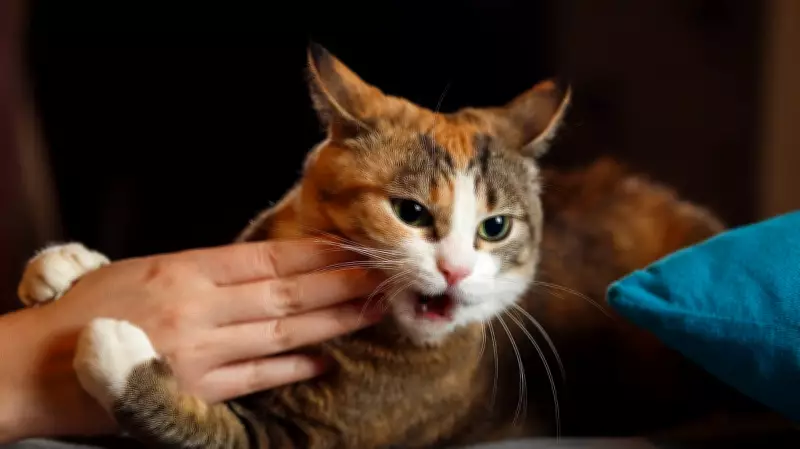
A recent study indicates that while pets are often associated with mood improvement, they may not be effective in alleviating the emotional fallout from specific stressful events. Researchers found that although pets have a general calming effect on people's mood, these animals could not buffer or weaken the relationship between a stressful event and the emotional effect it had on the person.
The study, reported by DH Online on 09 July 2026, suggests that when individuals are feeling sad or have experienced a stressful event, it might actually be better to take some space from their cat or other pets rather than seeking comfort from them.
Study Details and Findings
The research examined the emotional responses of pet owners to daily stressors. While participants reported that their pets generally helped them feel calmer on a day-to-day basis, this effect did not extend to moments of acute stress. In those instances, the presence of a pet did not reduce the intensity of negative emotions triggered by the stressful event.

According to the study, the inability of pets to buffer stress suggests that the relationship between pet ownership and emotional well-being is more complex than previously assumed. The calming effect of pets may be more about baseline mood regulation rather than providing immediate relief during crises.
Implications for Pet Owners
For individuals who rely on their pets for emotional support, these findings may prompt a reassessment of coping strategies. The study recommends that when experiencing strong negative emotions, taking a short break from a pet could allow the person to process their feelings more effectively. This does not diminish the overall benefits of pet ownership, but rather highlights the need for differentiated approaches to emotional management.
The researchers emphasize that pets remain valuable companions for general well-being, but they should not be expected to serve as a primary buffer against acute emotional stress. Future studies may explore the specific mechanisms behind this phenomenon and identify other factors that can help individuals better cope with stress.