

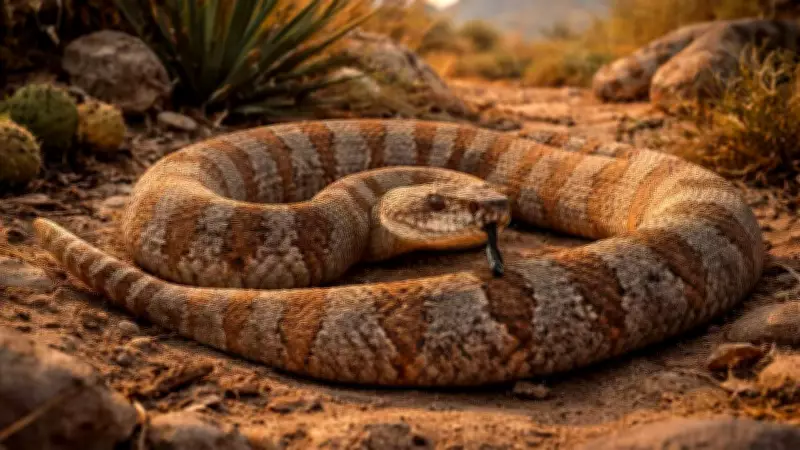
Tiger Rattlesnake: Defying Size Expectations with Lethal Efficiency
When people think of rattlesnakes, they often picture large, heavy-bodied creatures that rely on their imposing size for survival. However, the tiger rattlesnake shatters this stereotype, emerging as one of the smallest members of its family. This unique snake challenges common perceptions by thriving not through bulk, but through remarkable adaptations and resourcefulness.
Typical Size and Physical Characteristics
The tiger rattlesnake is generally considered one of the most diminutive rattlesnakes, with an average body length ranging from 45 to 90 centimeters. Its compact frame features a relatively thick body paired with a notably small head, distinguishing it from larger relatives. Despite its modest dimensions, this snake packs a powerful punch.
A study published in PubMed Central reveals that the tiger rattlesnake possesses one of the most potent venoms among all rattlesnake species. This lethal capability underscores that size is not a prerequisite for effectiveness in the animal kingdom.

Record-Breaking Specimens: How Big Can They Grow?
While most tiger rattlesnakes adhere to the typical size range, exceptional individuals have been documented reaching lengths of nearly 91 centimeters, or about 3 feet. This represents a significant outlier for a species that usually does not exceed such measurements. Although this may seem small compared to other rattlesnakes, it is an unusual achievement for the tiger rattlesnake, highlighting its potential for growth under certain conditions.
Why Size Is Not the Defining Feature
The tiger rattlesnake does not depend on its body size to intimidate prey or deter threats. Instead, its success hinges on a combination of highly toxic venom and exceptional stealth abilities. These traits allow it to camouflage seamlessly within its arid, desert-like habitats, enabling it to hunt efficiently without direct confrontation.
This approach makes the tiger rattlesnake an incredibly efficient species that prioritizes adaptability over physical dominance.
A Different Kind of Predator: Efficiency Over Size
Tiger rattlesnakes exemplify a distinct survival strategy in the animal world. While many creatures leverage physical advantages like size or strength, this snake thrives through optimal resource use and hunting proficiency. Its small stature, combined with precise venom delivery and environmental blending, makes it an excellent hunter.
Even at its largest recorded size, the tiger rattlesnake does not compete directly with bigger rattlesnake species. Instead, it carves out a niche by maximizing its inherent capabilities. This demonstrates a powerful lesson: being small does not equate to being ineffective. The tiger rattlesnake proves that efficiency and adaptability can outweigh sheer size in the struggle for survival.
Ultimately, for the tiger rattlesnake, size is irrelevant. Its ability to flourish in harsh environments stems from how effectively it utilizes its venom, stealth, and innate resilience. This small but mighty predator continues to intrigue scientists and nature enthusiasts alike, offering insights into evolutionary success beyond conventional metrics.






