Nobody talks about toilet paper. You use it, flush it, and move on. However, for years, plumbers, environmentalists, and engineers have been quietly raising red flags about this autopilot habit, and the picture they paint is alarming.
How Toilet Paper Damages Your Pipes
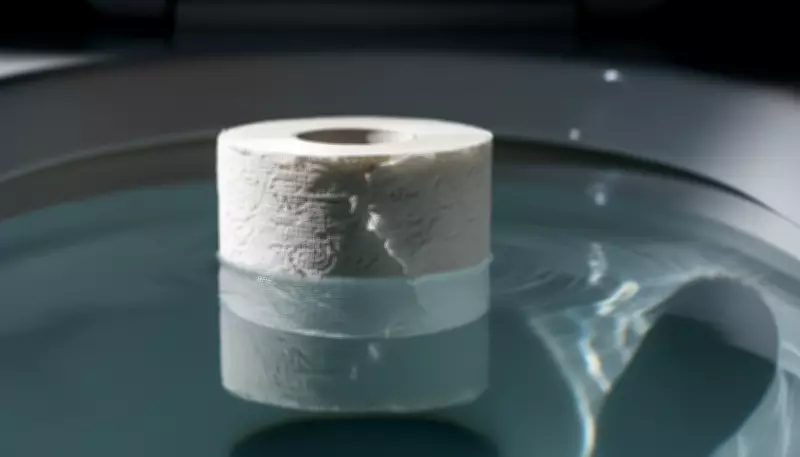
Most people assume that since toilet paper is designed to be flushed, it is harmless. However, that assumption leads to serious damage to pipes, wallets, and the planet. When flushed, toilet paper fibers do not vanish; they travel through plumbing and over time clump together, especially in older or slightly bent pipes. Research on drainline transport of solid waste in buildings shows that stronger, less-disintegrating papers are more likely to bunch up and create blockages, resulting in slow drains, persistent clogs, or full sewer backups. Repeated clogs weaken plumbing infrastructure, leading to frequent maintenance calls, unexpected repair bills, and increased leak vulnerability. Many people do not connect the problem to their flushing habits until they face costly repairs.
The Premium Paper Problem
Thick, quilted, three-ply toilet paper disintegrates much more slowly in wastewater systems than standard paper, according to a study in Environmental Science and Technology. Household drains are the most critical point where breakdown is limited, causing fibers to accumulate rather than flush away. Premium paper is not safer for pipes; it is often worse.

For Septic System Owners
Septic tanks face higher stakes. Toilet paper fibers build up in the tank and clog the drain field, hindering filtration and requiring more frequent pumping, higher maintenance costs, and risking premature system failure. Septic professionals recommend keeping a covered waste container in the bathroom for used paper to maintain bacterial balance in the tank.
Environmental Cost
Mass deforestation results from toilet paper production. Trees are cut for pulp, destroying habitats and increasing carbon emissions. Chemicals used in manufacturing can leach into aquatic ecosystems when paper breaks down in waterways. Flushing releases residual chemicals and fibers into sewage systems, contributing to water pollution.
What You Can Do
Place a covered waste bin in the bathroom to keep paper out of pipes and reduce chemical runoff. Use biodegradable toilet paper that breaks down faster and is more eco-friendly. Be mindful of how much paper you use; some homes use dispensers that limit the amount taken. Basic plumbing maintenance, like keeping a plunger and avoiding harsh chemical drain cleaners, helps keep systems flowing.
Small Habit Change, Big Impact
You do not need drastic lifestyle changes. A little awareness, such as using a bin or switching to eco-friendly paper, can prevent plumbing emergencies, reduce repair costs, lower environmental impact, and improve water systems. This small shift aligns with rethinking fast fashion, single-use plastics, and food waste, making a quiet but loud difference.