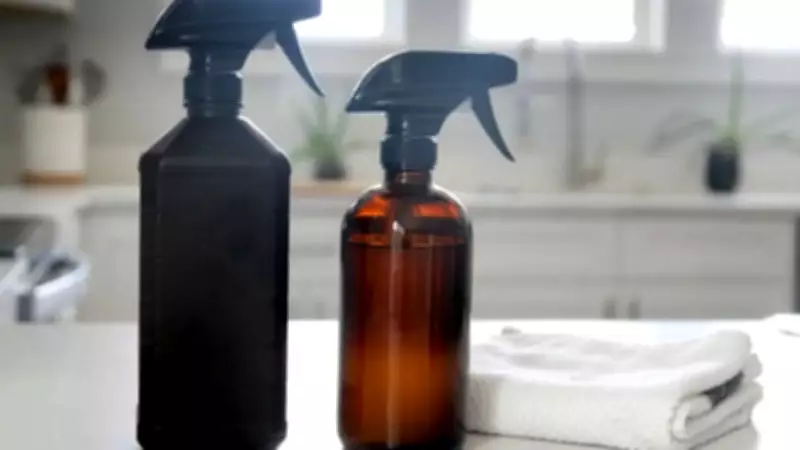
Kitchen Staples Vinegar and Hydrogen Peroxide Emerge as Smart Cleaning Alternatives
In households across the nation, a quiet revolution is taking place in cleaning routines. Simple kitchen staples that have long been relegated to cooking and first aid are now being recognized for their powerful cleaning properties. White distilled vinegar and hydrogen peroxide, in particular, are gaining significant popularity as intelligent alternatives to harsh chemical cleaners when used correctly.
Understanding the Properties of Each Ingredient
White distilled vinegar contains acetic acid, which gives it unique cleaning capabilities. This mild acid effectively dissolves mineral deposits, soap scum, and stubborn dirt that regular water cannot remove. Vinegar works particularly well on surfaces like glass, tile, and sinks, where it breaks down grime without damaging the underlying material.
Hydrogen peroxide possesses completely different properties that make it valuable for cleaning. This substance acts as an oxidizer, releasing oxygen when applied. This oxidative action allows hydrogen peroxide to effectively destroy bacteria, fungi, and viruses on surfaces, making it a powerful natural disinfectant.

Scientific Support for Combined Use
Additional evidence supporting the effectiveness of these natural cleaning agents comes from a 2024 research article published in JCM Images Case Reports, with A. Jafarian as lead author. The study observed that the effectiveness of natural disinfectants increases significantly when used in combination rather than individually. This finding provides scientific backing for the sequential use of vinegar and hydrogen peroxide in cleaning routines.
Proper Usage Methods and Safety Precautions
Critical Safety Note: Vinegar and hydrogen peroxide should never be mixed together in the same container. Combining these substances produces peracetic acid, which can be potentially hazardous and may cause irritation to skin, eyes, and respiratory systems.
The appropriate procedure for using these cleaning agents involves a sequential approach:
- First, apply vinegar to clean and sanitize the target area. Allow it to work on the surface for several minutes.
- After cleaning with vinegar, apply hydrogen peroxide to the same area to kill remaining germs and provide additional disinfection.
Ideal Applications for This Cleaning Method
This cleaning strategy proves highly effective on non-porous surfaces including:
- Bathroom tiles and fixtures
- Kitchen countertops
- Glass surfaces and mirrors
- Stainless steel appliances
The approach works particularly well in areas requiring frequent cleaning or those prone to germs and mold growth. Many families have adopted this method due to its economic advantages, easy availability, environmental friendliness, and the fact that both substances decompose into water and oxygen without leaving harmful residues.
Balanced Perspective on Natural Cleaning Solutions
While the benefits of vinegar and hydrogen peroxide for cleaning sound impressive, specialists recommend maintaining a balanced outlook. This technique works best for regular cleaning purposes rather than situations requiring medical-grade sanitation. Most research on these natural cleaners occurs in controlled laboratory conditions rather than actual home environments.
Health institutions continue to advocate for certified disinfecting agents in high-risk zones where proven results are essential, such as healthcare facilities or during disease outbreaks. For everyday household cleaning, however, vinegar and hydrogen peroxide offer a viable alternative to chemical products.
A Simple Yet Effective Cleaning Solution
The use of vinegar followed by hydrogen peroxide represents a simple but remarkably effective cleaning approach. This method demonstrates that common household items can provide efficient cleaning solutions when used appropriately. As more households seek environmentally friendly alternatives to chemical cleaners, these kitchen staples offer accessible options that combine effectiveness with safety and sustainability.