Understanding the Science Behind Thickening of Dal
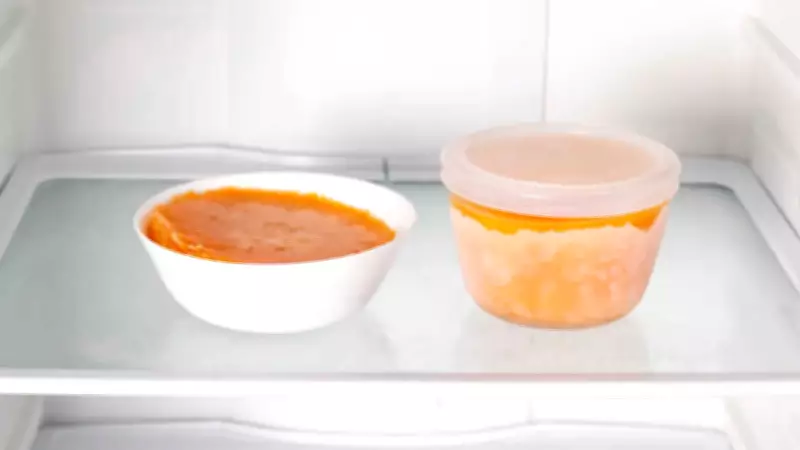
In Indian homes, cooking extra dal and sabzi is not just a habit but also a sign of abundance. This practice dates back to ancient times, where extra food was kept to welcome unexpected guests. While storing excess food was challenging in the past, especially during summer, modern refrigeration has made it easier. However, refrigerators come with their own set of challenges. One common problem with storing dal in the fridge is that it thickens and often clots. But why does this happen? Let us explore the reasons and discover ways to avoid it.
Why Does Dal Thicken When Chilled?
According to experts, dal is rich in starches and soluble fibers released during cooking. When hot, these molecules are dispersed in water, giving dal a fluid consistency. As it cools in the fridge below room temperature, the starch undergoes a process similar to starch retrogradation. In this process, starch molecules realign and tighten, trapping water and forming a thicker, semi-solid texture.
What Else Happens
Temperature plays a key role here. In the colder environment, proteins present in dal also bind with water, contributing to the thickening. The result is dal that appears denser and less fluid than when freshly cooked.

What is Starch Retrogradation?
According to the science of cooking, when you cook starch found in grains and lentils, heat and water cause the starch granules to swell and break apart. This makes the food soft and gives it a smooth or thick texture. When the same food cools down, these starch molecules (amylose and amylopectin) begin to reorganize and pack tightly together again. This coming together of molecules is called starch retrogradation.
3 Smart Ways to Stop Dal from Clotting
It is important to note that this change in texture is easy to manage. With extra care while cooking and storing dal, you can avoid freezing or clotting. Here are three smart ways to do it.
Add Hot Water While Reheating
This is one of the easiest ways to fix dal. While reheating, gradually add hot water and stir well. This helps loosen the starch network and brings dal back to its original consistency without affecting taste. Make sure to add a pinch of salt to the hot water to balance the salt content of the final dish.
Store with Slightly Higher Liquid Content
While cooking dal, keep it slightly thinner than usual. As it cools, it will naturally thicken. By making it a bit more liquidy, by the time it reaches the fridge it will thicken a bit and prevent it from becoming too dense later after refrigeration.
Add a Bit of Fat
According to experts, adding a small amount of ghee or oil forms a light coating around starch molecules, which helps reduce how tightly they bind together. By doing so, you can maintain a smoother texture of dal even after refrigeration.