

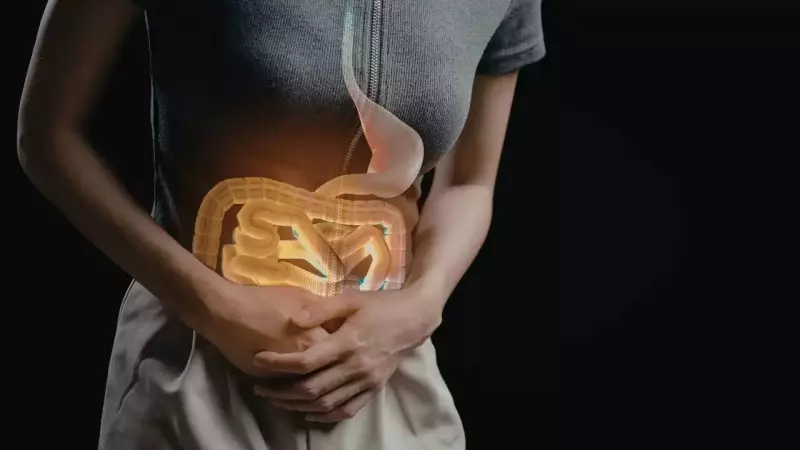
Have you noticed your meals feeling heavier, bloating appearing more often, and your gut seeming sluggish as the temperature drops? You're not imagining it. Winter brings a quiet but significant shift in how our bodies process food, a change rooted in biology rather than just holiday indulgence.
The Science Behind Your Sluggish Winter Gut
This seasonal digestive slowdown is not merely about eating more or moving less. It is a complex biological adaptation. Digestion relies on a symphony of signals from temperature, light, movement, and routine. When winter alters all these factors simultaneously, our digestive system responds by downshifting its pace. Historically, this helped humans conserve precious energy during scarce, cold months. Today, it often manifests as discomfort, bloating, and constipation.
A pivotal peer-reviewed study published in the journal Cell Host and Microbe provides scientific backing. The research observed that the composition of our gut microbiota changes with the seasons, influenced by environmental factors like temperature and circadian rhythms. These shifts in our gut bacteria are directly linked to changes in metabolism, inflammation levels, and digestive efficiency. Viewing winter gut issues through this lens reveals they are a patterned biological response, not random occurrences.

5 Key Ways Winter Weather Affects Your Digestion
The decline in digestive comfort during colder months results from several interconnected factors that build up gradually.
1. Cold Temperatures Reduce Blood Flow to the Gut
In cold weather, your body prioritizes keeping vital organs warm. This natural survival mechanism redirects blood flow away from the digestive tract. With reduced circulation, the muscles of the stomach and intestines contract more slowly. Consequently, food transit time increases, leading to sensations of heaviness, bloating, and excess gas. A meal that felt light in summer can suddenly become a source of discomfort.
2. Decreased Physical Activity Weakens Gut Motility
Shorter days and chilly air naturally lead to a more sedentary lifestyle—fewer walks, more time spent sitting indoors. Physical movement acts as a natural stimulant for intestinal muscles. When daily activity levels fall, bowel movements slow down, making constipation a common winter complaint even for those with typically regular digestion.
3. Heavier Winter Diets and Reduced Fibre Intake
Our cravings shift with the season. We naturally gravitate towards warmer, richer, and more calorie-dense foods like creamy dishes, fried snacks, and sweets. Simultaneously, intake of high-fibre foods like fresh fruits, salads, and raw vegetables often declines. This combination means the gut has to work harder to process heavier meals while having less dietary bulk to facilitate smooth bowel movements.
4. Lower Hydration Levels Dry Out the System
Thirst cues diminish in cold weather, leading many people to drink less water without realizing it. Indoor heating further contributes to fluid loss. Reduced hydration makes stool firmer and more difficult to pass, exacerbating constipation and the feeling of incomplete digestion.
5. Disrupted Sleep and Irregular Routines
Winter disrupts our circadian rhythms through reduced sunlight exposure and often inconsistent sleep schedules. The gut, which operates on a strict internal clock, is highly sensitive to these changes. Irregular meal timings can lead to uneven release of digestive enzymes. Additionally, the stress that sometimes accompanies darker months can further slow digestion and increase acidity.
Simple Strategies to Support Your Gut This Season
Supporting your digestion in winter doesn't require drastic overhauls. Gentle, consistent adjustments can make a significant difference. Opt for warm fluids like herbal teas over cold drinks. Incorporate gentle movement, like a short walk, after meals. Focus on including cooked vegetables and maintaining consistent meal times. Crucially, try to eat in response to genuine hunger cues rather than routine or boredom, as overeating strains an already slowed system.

The key takeaway is that worsening digestion in winter is a sign of your body adapting, not malfunctioning. By understanding and supporting these natural seasonal adaptations—rather than ignoring them—you can help your gut find its comfortable rhythm again.
Disclaimer: This content is intended purely for informational purposes and is not a substitute for professional medical, nutritional, or scientific advice. Always seek guidance from certified professionals for personalised recommendations.





