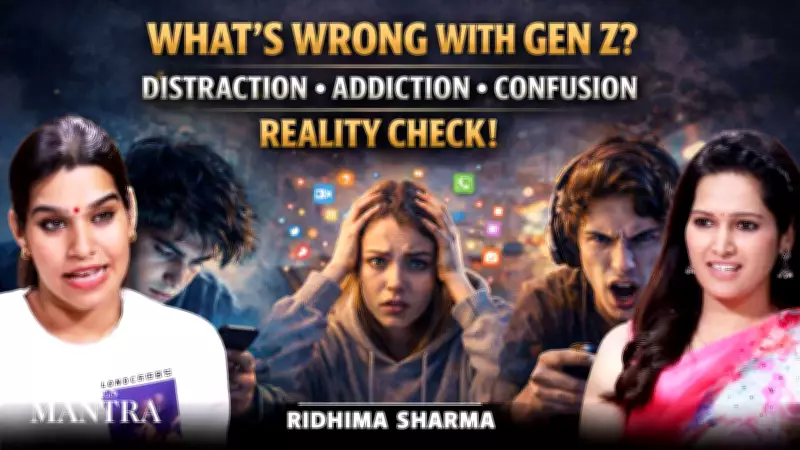
Why Gen Z Feels Lost: Unpacking the Modern Youth Crisis
In a revealing conversation, Ridhima Sharma delves into the pressing question: Why is Generation Z experiencing unprecedented levels of feeling lost, distracted, and directionless? This analysis goes beyond surface-level observations to uncover the core issues affecting today's youth, from their daily struggles with focus to their search for clarity in an increasingly complex world.
The Digital Dilemma: Constant Distractions and Addiction
One of the primary factors contributing to Gen Z's sense of being adrift is the omnipresence of digital technology. Constant digital distractions have created an environment where sustained attention becomes a rare commodity. Ridhima Sharma points out that this digital addiction not only fragments concentration but also erodes the ability to engage deeply with long-term goals. The endless scroll of social media, notifications, and online content fosters a mindset of instant gratification, making it challenging for young people to commit to prolonged efforts or visions.
Lack of Long-Term Vision and Purpose
Another critical issue highlighted in the discussion is the lack of a clear long-term vision among many in Gen Z. In a rapidly changing job market and societal landscape, traditional pathways to success seem less reliable, leading to confusion about future directions. Ridhima Sharma emphasizes that without a sense of purpose or meaningful goals, it's easy for individuals to feel disconnected and aimless. This void often exacerbates feelings of being lost, as young people grapple with questions about their identity and place in the world.

Mental Health Implications and the Search for Guidance
The cumulative effect of these challenges takes a significant toll on mental health. The pressure to navigate digital overload while finding personal and professional fulfillment can lead to anxiety, stress, and a pervasive sense of being overwhelmed. Ridhima Sharma's insights suggest that addressing this crisis requires more than just individual effort; it calls for systemic support and accessible guidance. From career counseling to mental health resources, providing tools for clarity and direction is essential in helping Gen Z regain their footing.
Potential Solutions and Paths Forward
So, what can be done to fix this growing issue? Ridhima Sharma proposes several approaches:
- Promoting Digital Wellness: Encouraging mindful technology use and setting boundaries to reduce distraction and addiction.
- Fostering Purpose-Driven Education: Integrating goal-setting and vision-building into learning environments to help youth develop long-term plans.
- Enhancing Mental Health Support: Expanding access to counseling and community resources to address the emotional aspects of feeling lost.
- Creating Spaces for Real Connection: Facilitating offline interactions and mentorship opportunities to counter digital isolation.
By tackling these areas, society can help Gen Z move from a state of confusion to one of empowerment and clarity.
This discussion with Ridhima Sharma serves as a crucial reality check on the struggles facing today's youth. It underscores the need for a collective effort to understand and address the root causes of why so many in Gen Z feel lost, offering hope for a more focused and purposeful future.