

Why Some Children Are Organized: It's Not School, It's Home Habits
In every classroom or household, you'll find two types of children. There are those who always seem to know exactly where their belongings are. Their books are neatly arranged, they remember what to bring to school, they manage their tasks efficiently, and they rarely appear lost or confused. On the other hand, there are children who are perpetually searching for something—be it a pencil, notebook, shoes, water bottle, or homework. Something is always missing, and they often seem overwhelmed.
Adults frequently attribute this difference to factors like school environment, discipline, or even intelligence. However, in most cases, the root cause is far simpler and less complex. It originates from the home.
Organization Is Absorbed, Not Taught
Organization is not a skill that a child suddenly acquires when a teacher instructs them to follow a timetable. Instead, it is something they gradually absorb from the way life unfolds around them. If a household operates in a chaotic manner—where items are left anywhere, tasks are completed at the last minute, and everyone is constantly searching for things—the child grows up within that system and comes to view it as normal. Conversely, if a home functions in a slightly organized way, with designated places for belongings, work done before it becomes urgent, and items returned after use, the child grows up believing that is the standard.

Children do not become organized because someone delivers a lecture on the importance of organization. They become organized because they inhabit a space where organization is an everyday, normal part of life.
The Common Parenting Mistake
Many parents unintentionally make a small but significant error. They organize everything for their child instead of teaching the child how to organize independently. Parents pack school bags, arrange cupboards, manage school projects, and provide reminders for every task. While this might make the child's life appear orderly on the surface, the child never actually learns the fundamental skills of organization.
An organized child is not one who never forgets anything. Rather, an organized child is one who knows what steps to take when they do forget something. This includes understanding where their belongings typically belong, recognizing their responsibility for their own work, and developing problem-solving skills. This type of organization does not stem from school rules; it emerges from small, consistent habits cultivated at home.
Small Habits Build Big Skills
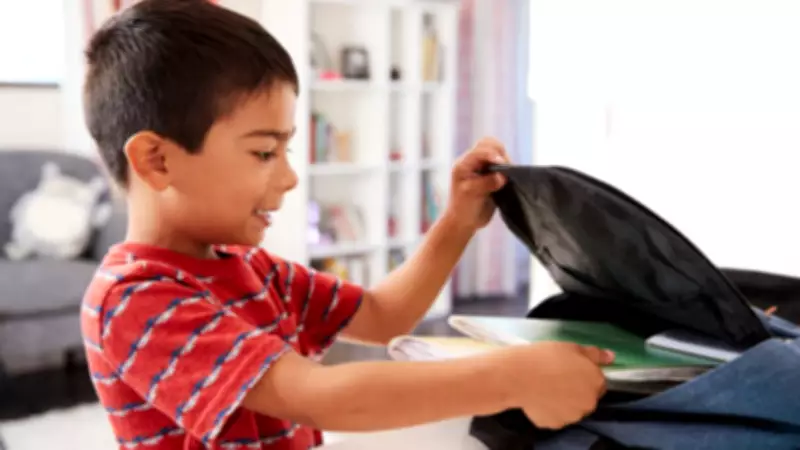
Simple actions, such as asking children to pack their own school bag, return their shoes to their proper place, arrange their books, assist with minor household chores, and remember their own timetable, may seem trivial and unimportant. Yet, these are precisely the activities that slowly teach children how to manage their own lives effectively.
Organization is not merely about having neat shelves and clean cupboards. At its core, it is about responsibility. And responsibility is almost always learned at home, long before any school attempts to instill it.
About the Author
TOI Lifestyle Desk
The TOI Lifestyle Desk is a dynamic team of dedicated journalists who, with unwavering passion and commitment, sift through the pulse of the nation to curate a vibrant tapestry of lifestyle news for The Times of India readers. At the TOI Lifestyle Desk, we go beyond the obvious, delving into the extraordinary. Consider us your lifestyle companion, providing a daily dose of inspiration and information. Whether you're seeking the latest fashion trends, travel escapades, culinary delights, or wellness tips, the TOI Lifestyle Desk is your one-stop destination for an enriching lifestyle experience.






