

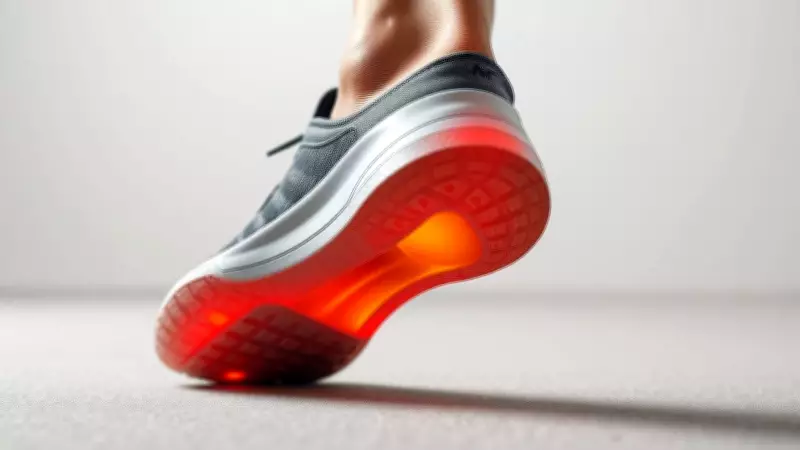
The Mystery of Uneven Shoe Wear: More Than Just a Heavy Step
It is a common sight when clearing out a closet: you pick up a favorite pair of sneakers or work shoes and notice the right heel is ground down to a smooth nub while the left still has plenty of tread. Or perhaps the inner edge of your sole looks like it has been through a grater while the outside remains pristine. Most of us shrug this off as a personal quirk of how we walk, assuming our feet are simply built that way. However, the story behind uneven shoe wear is far more complex than just a heavy stride.
While your walking style is certainly a factor, science suggests that we are often sabotaging our footwear long before we even put it on. The way a shoe breaks down is a combination of how we move and, surprisingly, how we treat them when they are off our feet. By understanding the mechanics of shoe fatigue, you can stop the lopsided erosion that ruins your comfort and forces you to buy new pairs twice as often as necessary.
The Biomechanics of the Lopsided Sole
When you walk, your shoe acts as a data recorder for your body’s movement. Every step applies a specific amount of pressure and friction to the rubber. A fascinating study titled Shoe wear patterns and pressure distribution under feet and shoes, which utilized advanced image analysis, revealed that these wear areas are not random. They correlate directly with constant pressure zones under the foot. This research shows that even slight variations in how you load your weight translate into specific, visible maps of destruction on your outsoles.

This means that if you have a primary walking intention that leans inward or outward, your shoe will record that behavior by eroding in that specific spot. However, this is not just about foot health. External factors like the hardness of the sole and the height of the heel play a massive role. The research suggests that shoes with standard hardness and lower collars tend to promote more stable, uniform contact with the ground. When a shoe is too soft or the heel is too high, it impairs your balance, causing your body to overcompensate and put even more uneven stress on the tread. Even slight weight shifts create visible wear patterns.
How Improper Storage Sabotages Your Shoes
If you think your shoes are safe once you kick them off at the door, think again. One of the most overlooked causes of uneven wear is shape deformation during storage. According to a research paper published by the Journal of the American Podiatric Medical Association, improper storage can actually change the structural integrity of a shoe. When shoes are left crushed in a pile, folded under other items, or cramped into tight spaces, the materials begin to compress unevenly.
This artificial distortion changes the way the shoe fits the next time you wear it. A shoe that has lost its original profile will no longer distribute your weight correctly. This creates a vicious cycle: the deformed shoe causes you to walk with abnormal stress on certain regions, which then accelerates the uneven wear on the sole. It turns out that the simple habit of placing your shoes upright, with their full contact surfaces supported, is one of the most effective ways to maintain their shape and ensure the pressure remains balanced during your next walk.
Practical Tips for Extending Shoe Life and Foot Health
As we age, foot support is essential since it will protect us from a permanent change in our weight distribution. Wear shoes that have a spacious toe box and take good care of them. Appearance is secondary to the future well-being of our feet. With minor adjustments, we can eliminate any pain and allow our stride to be as effective as it should be.

- Choose Durable Shoes: Opt for footwear with standard hardness and lower heels to promote stable walking patterns.
- Store Properly: Always place shoes upright in a well-supported position to prevent deformation.
- Monitor Wear Patterns: Regularly check your soles for uneven erosion to catch issues early.
- Prioritize Comfort: Select shoes with ample toe space to support natural foot movement and alignment.
When you see one shoe deteriorating faster than the other, take a moment to observe the floor of your closet. This minor change, coupled with choosing shoes with durability in mind, can make all the difference in extending the lifespan of your shoes. It’s just a small change that can contribute to maintaining proper alignment of your gait and ensuring healthy feet, while keeping your favorite pairs in excellent condition for years to come.





