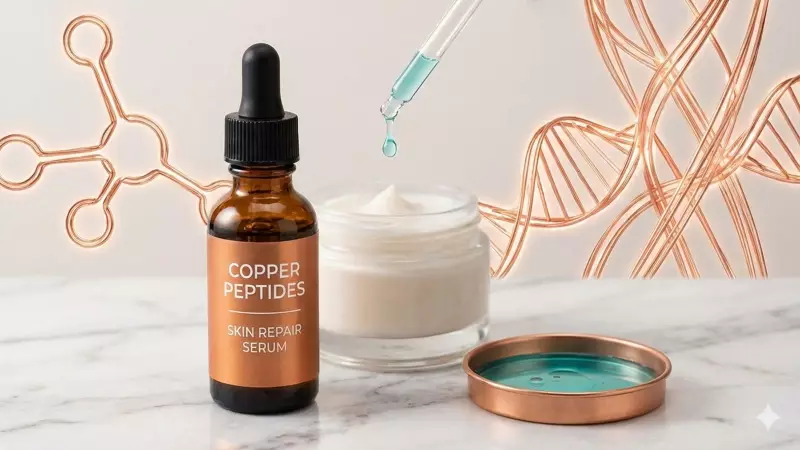
Copper Peptides: The Multitasking Skincare Powerhouse Backed by Science
In the ever-evolving world of skincare, peptides have emerged as one of the most sought-after ingredients, celebrated for their ability to promote healthier, firmer, and more radiant skin. Among the myriad peptides available, copper peptides are currently stealing the spotlight in the beauty industry, and for good reason. These powerful molecules are not just a passing trend; they are backed by substantial scientific research that highlights their remarkable multitasking capabilities.
What Are Peptides and Why Do They Matter?
The human body naturally produces numerous types of peptides, which act as tiny building blocks of life, supporting vital functions. Many peptides form the foundation of essential proteins like collagen and elastin, crucial for maintaining youthful and healthy skin. In cosmetics, peptides are generally categorized into three main types:
- Carrier peptides: These aid in wound repair by transporting important minerals into cells to initiate healing.
- Signal peptides: They prevent ageing by stimulating the activation of fibroblasts, specialized skin cells that produce collagen.
- Neurotransmitter-inhibiting peptides: These act similarly to botulinum toxin, relaxing facial muscles to reduce wrinkles.
Copper peptides fall into the carrier peptide category, but their benefits extend far beyond simple wound healing.

The Rise and Science of Copper Peptides
First discovered in 1973, copper peptides gained initial attention for their role in wound healing, leading to the first commercialized carrier peptide in 1985 designed to deliver copper into wounded tissue. As research progressed, scientists uncovered a host of additional benefits, including anti-ageing, anti-inflammatory, and renewing properties, as well as support for hair growth.
As we age, the natural concentration of copper peptides in our bodies declines. This is where synthetic, lab-made versions found in creams, serums, and masks come into play, helping to replenish these molecules and rejuvenate the skin.
Multifaceted Benefits of Copper Peptides
Copper peptides act as little helpers that instruct skin cells to repair and rebuild themselves. Their key advantages include:
- Boosting Collagen and Elastin: They enhance the production of these proteins, which are essential for smooth and firm skin.
- Reducing Inflammation: Copper peptides calm skin redness and soothe irritation.
- Acting as Antioxidants: They combat damage caused by pollution and ultraviolet rays from the sun.
- Improving Wound Healing: This makes them ideal for use after cosmetic treatments like face lifts and micro-needling, and they are even used in copper-infused wound dressings for chronic wounds.
Skin cell studies and clinical trials confirm that copper peptides increase collagen production, improve skin thickness, and enhance elasticity, solidifying their status as one of the most researched anti-ageing ingredients.
How to Use Copper Peptides Effectively
For optimal results, consider applying copper peptide products twice daily: in the morning to leverage their antioxidant properties and in the evening to support collagen replenishment overnight. Advanced skincare products often deliver copper peptides with microneedles to enhance skin penetration and efficacy.
Copper Peptides vs. Other Peptides
While other peptides, such as palmitoyl-based peptides and acetyl hexapeptide-8, are effective in fighting wrinkles, they operate differently. Palmitoyl peptides signal the skin to produce more collagen, whereas acetyl hexapeptide-8 relaxes facial muscles to reduce expression lines. Copper peptides stand out because they combine multiple functions—boosting collagen, improving healing, and fighting oxidative stress—making them particularly effective at preventing signs of ageing.

Interestingly, some studies suggest that copper peptides work even better when combined with ingredients like hyaluronic acid for added hydration. However, caution is advised, as certain combinations with peptides like vitamin A and C can cause instability, potentially leading to increased skin sensitivity.
Potential Side Effects and Precautions
Although generally safe, copper peptides can cause skin irritation or mild allergic reactions in a small number of individuals. If you experience such symptoms, discontinue use immediately. It is always wise to patch-test new skincare products before full application.
The Future of Copper Peptides
Beyond skincare, copper peptides show promise in medical research, including potential roles in future cancer treatments. Studies indicate they can activate genes that instruct damaged cancer cells to self-destruct and repair genes controlling cell growth.
In conclusion, copper peptides are more than just a hype; they are a scientifically validated ingredient that can significantly enhance skin health and accelerate healing. Incorporating them into your daily routine, alongside essential practices like using sunscreen, staying hydrated, and maintaining a healthy lifestyle, can lead to visibly healthier and more youthful skin.