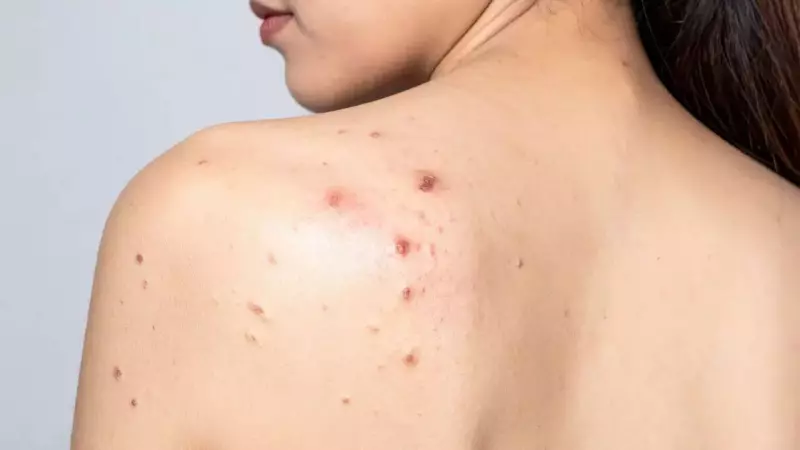
For countless individuals, a long, steamy shower is the ultimate ritual to wash away the day's stress and fatigue. The cascade of warm water soothes aching muscles and offers a moment of pure relaxation. However, for those battling persistent and confidence-denting breakouts on their back and shoulders—commonly known as bacne—this comforting habit might be a hidden culprit. The question persists: can hot showers actually cause or aggravate back acne?
The Science Behind Hot Water and Skin Damage
The connection is more than just speculation. A peer-reviewed study published in PMC on skin barrier function provides concrete evidence. It found that exposure to hot water significantly increases transepidermal water loss, raises the skin's pH level, and induces redness due to inflammation. This triple assault weakens the skin's natural protective shield.
When this essential barrier is compromised, the skin becomes far more vulnerable to irritation, bacterial proliferation, and clogged pores. These are the primary factors that lead to acne. The back is particularly susceptible because it has a higher density of oil glands and thicker skin compared to the face, creating an environment where sweat and oil accumulate easily.

How Your Shower Routine Worsens Back Acne
Understanding the precise mechanisms can help you make informed changes. Here’s a breakdown of how hot showers contribute to those stubborn breakouts.
Stripping the Skin's Natural Defences
Very hot water acts like a potent solvent, stripping away the natural oils (sebum) that are crucial for hydrating and protecting the skin. In response to this damage, the skin may go into overdrive, producing even more oil to compensate. This excess oil then mixes with dead skin cells and clogs pores, leading to pimples and inflammation on the back.
Creating a Perfect Storm with Heat and Steam
The heat and steam from a prolonged shower ramp up sweating and local humidity. Sweat can trap oil and bacteria on the skin's surface. Furthermore, heat accelerates the shedding of dead skin cells. These cells combine with the excess oil, creating blockages within hair follicles that trigger acne, especially in areas covered by clothing or backpack straps.
The Role of Hair Products and Friction
Shampoos and conditioners often contain oils, silicones, and heavy moisturizers. During a hot shower, these residues run down your back. Since hot water opens up pores, it becomes easier for this residue to settle inside follicles, leading to clogged pores and inflammation—a condition sometimes called "conditioner back."
Additionally, after a hot shower, pores remain open and skin is more sensitive. Wearing tight, synthetic clothing or carrying gym bags and backpacks creates friction and traps sweat and heat, further irritating the skin and worsening breakouts.
7 Shower Habits to Prevent Back Acne
You don't have to give up warm showers entirely. By adopting a few mindful practices, you can enjoy your rinse without the breakout fallout.
- Opt for Lukewarm Water: Switch from very hot to comfortably warm or lukewarm water to protect your skin barrier.
- Keep It Short: Limit your shower time to around five to ten minutes to minimize exposure.
- Rinse Conditioner First: Wash and thoroughly rinse out your hair conditioner before cleansing your body. This prevents residue from coating your back.
- Use a Gentle Cleanser: Choose a non-comedogenic, oil-free body wash that won't clog pores.
- Pat Dry, Don't Rub: After showering, gently pat your skin dry with a clean towel. Avoid harsh rubbing that can cause irritation.
- Wear Breathable Fabrics: Post-shower, choose loose, cotton clothing that allows your skin to breathe.
- Shower After Exercise: Make it a habit to shower soon after any workout or activity that causes sweating to quickly remove sweat and bacteria.
So, do hot showers cause back acne? The evidence suggests they can be a significant contributing factor, especially for people with oily or sensitive skin. The combination of barrier damage, increased oil production, heat, steam, and sweat creates an ideal breeding ground for clogged pores and inflammation.

The key takeaway is personal awareness. By adjusting your shower temperature, shortening the duration, and following a gentle, residue-free cleansing routine, you can maintain both your comforting ritual and clearer skin. Managing back acne effectively often starts with these simple, yet powerful, changes to your daily habits.
Disclaimer: This information is intended for educational purposes only and is not a substitute for professional medical advice, diagnosis, or treatment. Always consult a qualified healthcare provider for any skin concerns or personalised recommendations.