

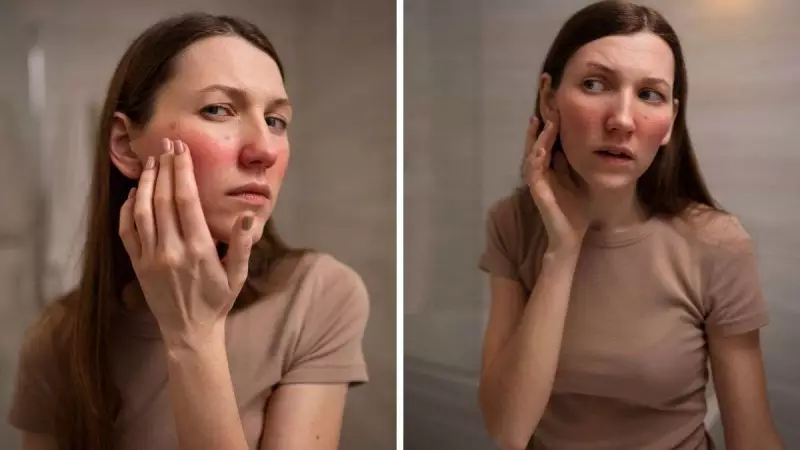
Many people struggle to differentiate between ordinary dry skin and the more complex condition of eczema. While both can cause discomfort and similar symptoms, understanding the key distinctions is crucial for effective treatment and long-term skin health.
Understanding the Fundamental Differences
Dry skin, medically known as xerosis, is a common condition that affects nearly everyone at some point. It occurs when your skin lacks sufficient moisture and natural oils. Environmental factors like cold weather, low humidity, harsh soaps, and excessive bathing often trigger temporary dry skin that typically responds well to basic moisturizing routines.
Eczema, or atopic dermatitis, represents a more complex inflammatory skin condition. This chronic condition involves dysfunction in the skin barrier and immune system, leading to persistent inflammation that goes beyond simple dryness. Unlike temporary dry skin, eczema often follows a relapsing pattern with flare-ups and requires comprehensive management strategies.

Recognizing the Distinct Symptoms
While both conditions share symptoms like roughness and flakiness, eczema presents additional distinctive signs. Intense itching that often worsens at night represents one of the hallmark symptoms of eczema. This itching can become so severe that it disrupts sleep and daily activities.
Eczema sufferers frequently experience red or brownish-gray patches, small raised bumps that may leak fluid when scratched, and thickened, cracked, or scaly skin. The scratching cycle creates a significant problem - the more you scratch, the worse the itching becomes, leading to potential skin infections from broken skin.
Dry skin typically manifests as temporary tightness, especially after bathing, slight to moderate flaking, rough texture, and fine lines or cracks. Unlike eczema, these symptoms usually improve consistently with proper moisturizing without the intense inflammatory response.
Effective Treatment Approaches for Both Conditions
For managing basic dry skin, regular application of thick, fragrance-free moisturizers immediately after bathing provides significant relief. Using gentle, soap-free cleansers, limiting shower time to 5-10 minutes with lukewarm water, and installing a humidifier in dry environments can dramatically improve skin hydration.
Eczema treatment requires a more comprehensive approach. Dermatologists often recommend topical corticosteroids to control inflammation during flare-ups, along with consistent use of emollients to repair the skin barrier. Identifying and avoiding personal triggers such as certain fabrics, sweat, stress, or specific foods forms a crucial part of long-term management.
When over-the-counter products fail to provide relief, or if you experience symptoms like persistent itching, skin discoloration, oozing, or signs of infection, consulting a dermatologist becomes essential for proper diagnosis and treatment. They can prescribe appropriate medications and create a personalized management plan.
Understanding whether you're dealing with simple dry skin or eczema empowers you to take the right steps toward effective treatment and lasting skin comfort. Proper diagnosis ensures you don't overlook a chronic condition that requires specialized care while avoiding unnecessary treatments for basic dryness.

