

The Viral Eggshell Membrane Skincare Trend: Separating Fact from Fiction
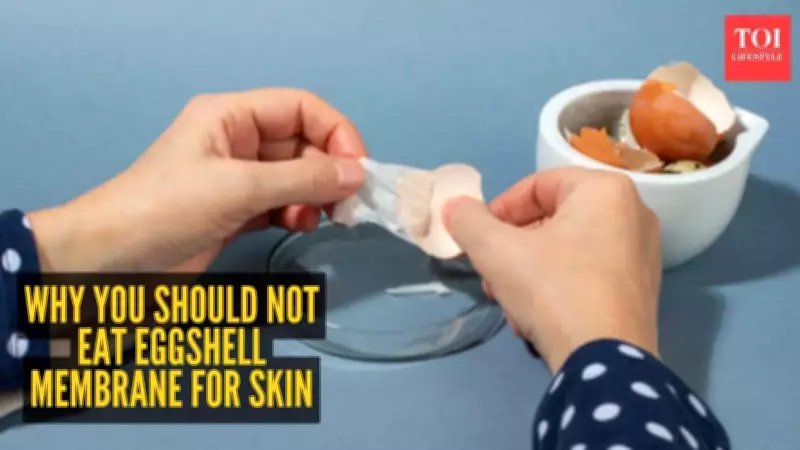
Spend just five minutes scrolling through social media platforms, and you will inevitably encounter the latest viral skincare obsession. Currently dominating beauty feeds and creator content is a surprising new hack: consuming the thin, slightly slimy membrane found inside eggshells. Tired of conventional beauty routines, users are flocking to this unconventional method, convinced that this often-discarded kitchen scrap holds the secret to achieving plump, youthful skin and glossy, healthy hair.
Anatomy of a Viral Health Claim
What exactly are social media influencers advocating that people swallow? It is that frustrating, papery layer that stubbornly clings to the interior of an eggshell, frequently complicating food preparation. Online proponents argue that ancient civilizations historically utilized crushed eggshells for their calcium content and relied on the membrane for tissue regeneration and healing purposes.
This historical anecdote has been transformed into today's viral promise: visibly reduced wrinkles and dramatically improved skin elasticity within just a few weeks of consistent consumption. The underlying logic driving millions of video views and shares is not entirely without basis. Nutritional scientists confirm that the eggshell membrane does contain specific types of collagen, notably types I, V, and X. It also houses elastin fibers and beneficial compounds like dermatan sulphate.

These are precisely the structural molecules that our connective tissues and skin require to maintain their youthful firmness and elasticity. However, the leap from containing these compounds to delivering tangible beauty benefits through casual consumption is where significant scientific skepticism arises.
Why Raw Eggshell Scraps Fail as a Skincare Solution
The popular theory suggests that digesting these compounds supplies the body with specific bioactive peptides that can kickstart natural collagen synthesis internally. However, the practical, real-world application is where this internet trend completely unravels and exposes its flaws.
Eating small, inconsistent scraps of raw membrane casually scraped from your breakfast pan simply cannot provide a meaningful, clinically active dose. You are not receiving the concentrated, purified hit required to trigger any visible cellular or structural changes in your complexion. More alarmingly, adopting this do-it-yourself approach introduces significant and undeniable health risks that cannot be ignored.
Raw eggshells are a notorious breeding ground for dangerous pathogenic bacteria, most notably Salmonella. Exposing yourself to the genuine threat of severe food poisoning, gastrointestinal distress, and hospitalization for the remarkably slim chance of achieving a slight skin glow is a risk that no credible health expert or dermatologist will ever endorse. The amount consumed at home is entirely uncontrolled, unmeasured, and potentially hazardous.
The Supplement Alternative: Joint Health Over Skin Benefits
If consuming raw membranes is a dangerous and ineffective gamble, does legitimate scientific research support extracting these nutrients into a purified, processed supplement form? The answer is yes, but primarily for addressing an entirely different physiological concern: joint health and mobility.
Clinical research has extensively explored the potential benefits of Natural Eggshell Membrane (NEM) in standardized supplement form for alleviating joint discomfort. Several controlled trials indicate that a consistent daily dose of 300 to 500 milligrams can significantly reduce joint stiffness and relieve pain associated with knee osteoarthritis. One notable study even reported rapid improvements in recovery from exercise-induced joint pain among healthy menopausal women participating in the research.

Yet, a crucial and often-overlooked detail frequently gets buried beneath the marketing excitement. The vast majority of these promising studies on NEM supplements are funded directly by the supplement companies manufacturing the pills, and they rely heavily on self-reported patient outcomes. Independent, large-scale replication by neutral research institutions is still notably lacking within the broader scientific community, which calls for cautious interpretation of these results.
When the focus pivots back to aesthetic and skincare benefits, the available data becomes dramatically thinner and less convincing. One incredibly small pilot study hinted at potential minor improvements in skin hydration using 450 milligrams of hydrolysed membrane daily. However, independent researchers and clinical nutritionists universally consider this early data far too preliminary, weak, and insufficient to recommend eggshell membrane as a viable, evidence-based skincare solution.
Stick to Proven Skincare Fundamentals
The allure of a quick, entirely natural, and seemingly free fix is undeniably powerful. It is precisely why these videos and posts rack up immense social media traction overnight, capturing the imagination of millions. However, until robust, independent, and replicated scientific research catches up with the viral hype, eggshell membranes—even the safer, heat-treated supplement versions—should be viewed as highly experimental add-ons rather than proven, reliable solutions for beauty. Naturally, anyone with a known egg allergy must avoid them entirely due to the risk of severe allergic reactions.
So, how do you actually achieve that plump, radiant, and youthful skin promised endlessly by social media algorithms? The answer is brilliantly boring yet scientifically sound. Focus resolutely on the fundamental pillars of skin health. Prioritize a balanced, nutrient-dense diet rich in adequate complete proteins and colourful, antioxidant-heavy fruits and vegetables. Consistently support your skin's barrier function with omega-3 fatty acids from sources like fish and nuts, prioritize getting quality, restorative sleep each night, and never, ever skip your daily broad-spectrum sun protection. This comprehensive approach might not make for a sensational, shareable sixty-second viral video, but it works consistently and safely over the long term. And frankly, it is far more appetizing and considerably less risky than scavenging eggshells from your kitchen waste.
