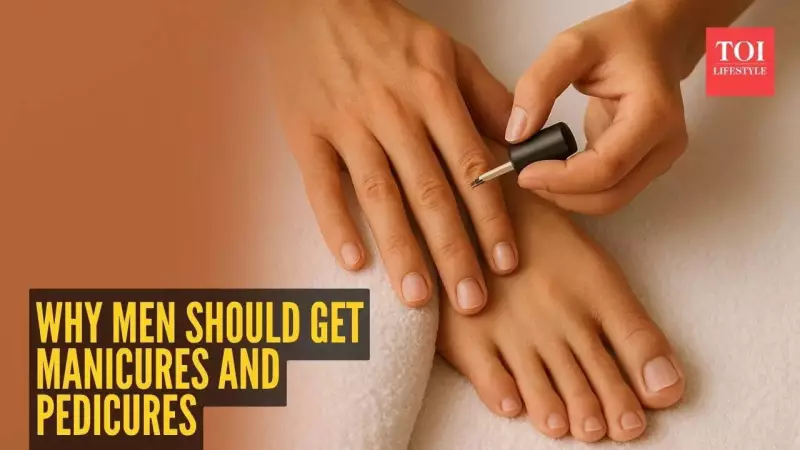
For centuries, Indian society has measured a man's value through his ability to protect and provide. The ideal man was strong, resilient, and rough around the edges - his calloused hands serving as silent badges of honor that proved his dedication to work and family.
The Unspoken Rules of Masculinity
This traditional view of masculinity has created invisible boundaries that discourage men from engaging in self-care practices. The message isn't delivered through loud proclamations but absorbed through subtle social cues - a raised eyebrow when a man visits a beauty salon, or smirks when he admits to enjoying a pedicure. These reactions represent deeper issues of control and gender expectations about who deserves gentleness in our society.
International celebrities like Harry Styles and Machine Gun Kelly have begun challenging these norms by using nail polish as a form of quiet rebellion. However, resistance doesn't always need to be colorful or dramatic. Sometimes, the most powerful challenges to tradition come through simple, ordinary acts of self-care like trimmed nails or moisturized hands.

The Health Benefits Behind the Stigma
What many men don't realize is that regular grooming offers significant health advantages that go beyond appearance. Healthline confirms that consistent manicures and pedicures prevent fungal infections, reduce ingrown nails, and improve blood circulation, particularly beneficial for people who spend long hours standing or working physically demanding jobs.
A 2023 study published in Complementary Therapies in Medicine revealed that professional nail care does more than enhance looks - it substantially lowers stress levels and boosts what researchers termed "vitalization," that feeling of being re-energized and more alive. The physiological effects are equally impressive: warm water softens blood vessels, exfoliation stimulates microcirculation, and massage techniques help reduce cortisol, the stress hormone.
The Psychological Impact of Male Grooming
Taking time for self-care represents a small but significant act of restoration in a culture that constantly pressures men to push forward without stopping. A 2015 research study demonstrated that basic grooming behaviors improved participants' body image and self-perception, even when the activity was as simple as applying deodorant.
Despite growing acceptance, the gender divide in grooming persists. Sociologist Kristen Barber, in her book Styling Masculinity, observes that men frequently rebrand their beauty routines as "maintenance" or "discipline" to make them sound more masculine. Thus, a manicure becomes "hand care" and a pedicure transforms into "foot health." This linguistic maneuvering reveals the underlying anxiety men feel about activities traditionally coded as feminine.
Nevertheless, cultural attitudes are gradually shifting across India. More men are embracing self-care without apology, though we still have progress to make before locker room conversations can comfortably include discussions about foot creams or salon recommendations. The journey toward redefining masculinity continues, one trimmed nail and softened hand at a time.