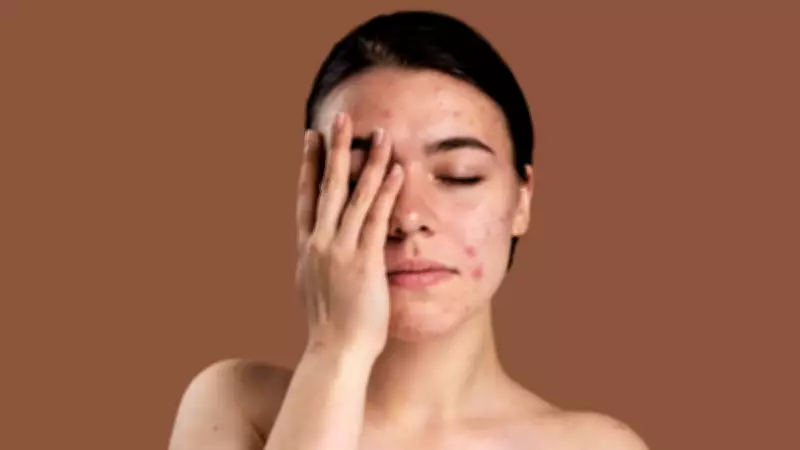
Natural Solutions for Acne and Pigmentation: Expert Dermatologist Guidance
Acne and skin pigmentation are common dermatological concerns that affect millions of people worldwide, often leading to discomfort and reduced self-confidence. While numerous over-the-counter and prescription treatments are available, many individuals seek natural alternatives to avoid potential side effects from harsh chemicals. Fortunately, dermatologists have identified several evidence-based natural strategies that can help control these skin issues effectively. This comprehensive guide explores dermatologist-backed advice for managing acne and pigmentation through holistic and natural approaches.
Understanding Acne and Pigmentation: The Root Causes
Acne typically arises from clogged pores due to excess oil production, bacteria, and dead skin cells, often influenced by hormonal fluctuations, stress, or dietary factors. Pigmentation, on the other hand, refers to dark spots or patches on the skin caused by an overproduction of melanin, which can be triggered by sun exposure, inflammation, or hormonal changes. Both conditions can be exacerbated by poor skincare habits, environmental pollutants, and genetic predispositions. Recognizing these underlying causes is the first step toward implementing effective natural remedies that target the source rather than just the symptoms.
Dermatologist-Recommended Natural Remedies for Acne
Dermatologists emphasize that natural acne control involves a combination of topical treatments and internal adjustments. For topical care, ingredients like tea tree oil, known for its antibacterial properties, can help reduce acne-causing bacteria when diluted and applied sparingly. Aloe vera gel is another excellent option due to its anti-inflammatory and soothing effects, which can calm irritated skin and promote healing. Internally, maintaining a balanced diet rich in antioxidants from fruits and vegetables, such as berries and leafy greens, supports skin health by reducing inflammation. Additionally, staying hydrated by drinking plenty of water helps flush out toxins and keeps the skin hydrated from within.

Effective Natural Approaches to Reduce Pigmentation
To combat pigmentation naturally, dermatologists advise focusing on sun protection and skin-brightening agents. Daily use of broad-spectrum sunscreen with at least SPF 30 is crucial, as UV exposure is a primary cause of dark spots. Natural ingredients like licorice extract, vitamin C, and niacinamide have been shown to inhibit melanin production and lighten pigmentation when applied consistently. Incorporating foods high in vitamin C, such as citrus fruits and bell peppers, into your diet can also enhance skin brightness and repair damage. Moreover, gentle exfoliation with natural scrubs containing oatmeal or sugar can help remove dead skin cells and promote an even skin tone over time.
Lifestyle and Dietary Adjustments for Clearer Skin
Beyond topical treatments, lifestyle factors play a significant role in managing acne and pigmentation. Dermatologists recommend the following adjustments:

- Stress Management: Practice techniques like yoga, meditation, or deep breathing to lower cortisol levels, which can trigger breakouts and pigmentation.
- Sleep Hygiene: Aim for 7-9 hours of quality sleep per night to allow skin repair and regeneration.
- Dietary Modifications: Reduce intake of high-glycemic foods, dairy, and processed sugars, as they may worsen acne in some individuals.
- Skincare Routine: Use gentle, non-comedogenic products and avoid over-washing, which can strip the skin of natural oils and exacerbate issues.
Precautions and When to Seek Professional Help
While natural remedies can be effective for mild to moderate cases, it is essential to proceed with caution. Always perform a patch test before applying new ingredients to avoid allergic reactions or irritation. If acne or pigmentation persists, worsens, or causes significant distress, consulting a dermatologist is advisable for personalized treatment plans, which may include medical interventions. Remember, consistency is key with natural methods, and results may take several weeks to become noticeable. By combining these dermatologist-backed tips with patience and a holistic approach, you can achieve healthier, clearer skin naturally.