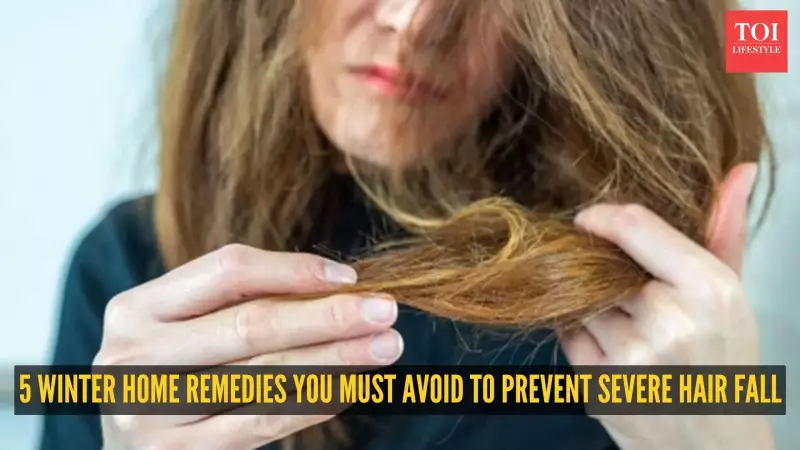
As the winter chill sets in, many of us notice an unwelcome guest in our shower drains: increased hair fall. This seasonal shedding is a direct result of the dry, cold air which robs our scalp and hair of essential moisture, leading to brittle strands and weakened cuticles. In a bid to combat this, we often turn to trusted home remedies. However, dermatologists and hair care experts warn that some popular natural treatments can backfire during the colder months. Here are five common home remedies you should avoid this winter to effectively stop hair fall.
Why Your Go-To Remedies Fail in Winter
The fundamental shift in winter is the drastic drop in humidity. This external dryness demands a change in your hair care strategy. Remedies that work by providing moisture or altering scalp oil balance in humid conditions can disrupt your scalp's delicate ecosystem when the air is parched. The result is often increased irritation, dryness, and ultimately, more breakage.
1. The Problem with Curd (Dahi) Applications
While curd is celebrated for its conditioning properties, it becomes a culprit in winter. The application can excessively dry out the scalp and disrupt its natural oil balance, which is already under stress. This leads to brittle hair that snaps easily. Furthermore, the cooling sensation of curd can potentially aggravate respiratory issues like cold or sinus problems, which are more prevalent in this season.

2. Reconsider Onion Juice Hair Masks
Onion juice is famed for promoting hair growth due to its sulphur content. However, in winter, this very compound can be too harsh. It strips away the scalp's natural protective oils, exacerbating dryness and causing irritation. This irritation can trigger an increase in hair fall rather than preventing it, making your locks more vulnerable to the low humidity.
3. The Winter Drawback of Raw Aloe Vera
Aloe vera's reputation as a hydrator is well-earned, but its humectant properties work both ways. In dry winter air, instead of adding moisture, it can pull what little hydration is left from your hair strands and scalp, leaving them drier. For individuals with low-porosity hair, it can create a protein-like buildup with a greasy feel, without delivering the intended benefits.
4. The Risk of Overusing Coconut Oil
Coconut oil solidifies in cold weather, making it difficult to apply evenly. This often leads to over-massaging during application, which can cause physical hair breakage. Moreover, excessive oiling can lead to pore-clogging buildup on the scalp, potentially triggering dandruff or dermatitis. It can also create a barrier that repels moisture, leaving hair dry underneath a greasy layer.
5. The Temptation of Hot Water Showers
Nothing feels better than a hot shower on a cold day, but for your hair, it's damaging. Hot water strips away the scalp's crucial protective oils, leading to dehydration, itchiness, and irritation. This can weaken hair protein bonds, making strands prone to breakage and causing split ends. In severe cases, it can even flare up conditions like psoriasis.
Adapting Your Routine for Healthier Winter Hair
The key to managing winter hair fall is to focus on gentle, moisturizing, and protective care. Opt for lukewarm water for hair washes. Incorporate lightweight, water-based moisturizers or hair serums designed for dry climates. A humidifier in your living space can also help combat environmental dryness. Always remember, when in doubt, consulting a dermatologist for a seasonal hair care plan is the best step.