

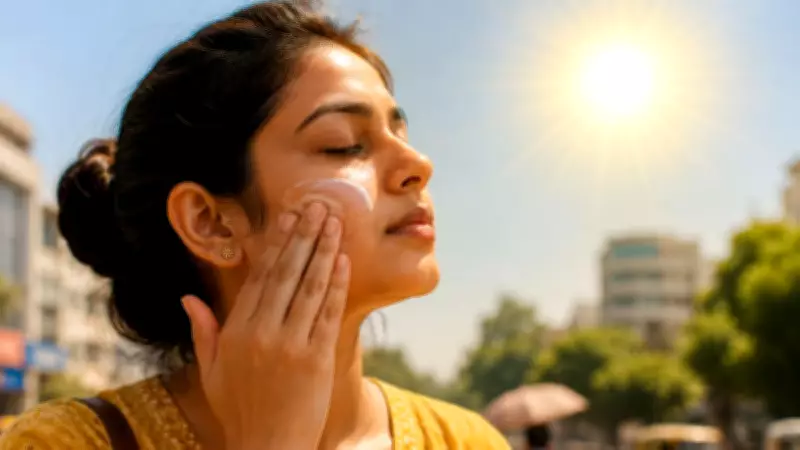
India, with its tropical climate and high levels of sunlight, faces significant challenges related to sun exposure. The country experiences intense ultraviolet (UV) radiation throughout the year, posing serious risks to skin health. Despite this, awareness about the dangers of sun exposure and the use of sunscreen remains relatively low among the population.
Understanding UV Radiation in India
Ultraviolet radiation from the sun is classified into UVA, UVB, and UVC rays. In India, UV index levels often reach high to extreme values, especially during the summer months. UVA rays penetrate deep into the skin, causing premature aging and wrinkles, while UVB rays are primarily responsible for sunburns and can lead to skin cancer. The combination of these rays makes sun protection essential.
Skin Damage Risks
Prolonged exposure to UV rays without protection can result in various skin issues, including sunburn, hyperpigmentation, and an increased risk of skin cancer. In India, the incidence of skin cancer is rising, with many cases linked to cumulative sun exposure. Additionally, conditions like melasma and photodermatoses are common, particularly among women. The lack of awareness often leads to delayed treatment and worsening of symptoms.

Sunscreen Awareness in India
Despite the risks, sunscreen usage in India is not widespread. A survey conducted by dermatologists revealed that only a small percentage of Indians use sunscreen regularly. Many people believe that their skin tone is naturally protected or that sunscreen is only necessary during outdoor activities. However, experts emphasize that sunscreen should be applied daily, even on cloudy days, as UV rays can penetrate clouds and cause damage.
Choosing the Right Sunscreen
Dermatologists recommend using a broad-spectrum sunscreen with an SPF of at least 30, which blocks 97% of UVB rays. For prolonged outdoor exposure, a higher SPF and water-resistant formula are advisable. In India, the market offers a variety of sunscreens, but many users are unaware of the importance of ingredients like zinc oxide or titanium dioxide for physical protection. Chemical sunscreens containing avobenzone or octinoxate are also effective but may cause irritation in sensitive skin.
Government and Public Health Initiatives
To address the lack of awareness, the Indian government and health organizations have launched campaigns to educate the public about sun safety. These initiatives include distributing informational materials, conducting skin cancer screenings, and promoting the use of protective clothing and hats. However, more efforts are needed to reach rural areas where access to information and sunscreen products is limited.
Practical Tips for Sun Protection
- Apply sunscreen generously to all exposed skin, including the face, neck, and ears, at least 15 minutes before going outside.
- Reapply sunscreen every two hours, or more frequently if swimming or sweating.
- Seek shade during peak sun hours, typically between 10 a.m. and 4 p.m.
- Wear protective clothing, such as long-sleeved shirts, wide-brimmed hats, and sunglasses that block UV rays.
- Check the UV index daily and plan outdoor activities accordingly.
By increasing awareness and adopting simple protective measures, individuals in India can significantly reduce their risk of skin damage and maintain healthier skin. It is crucial for the public to understand that sun protection is not just a cosmetic concern but a vital health practice.

