The Ultimate Escape Artists: 10 Animals That Can 'Flatten' Their Bodies to Fit Anywhere
Nature is filled with remarkable survival strategies, and among the most fascinating are the animals that can literally flatten their bodies to slip through the tiniest of spaces. Some of these creatures lack bones entirely, others have fragmented exoskeletons, and a few possess extreme flexibility that defies imagination. This incredible ability allows them to dodge predators, sneak up on prey, or find safe hiding spots in the most unlikely places. Here are ten such impressive beings that would put any gymnast or workout enthusiast to shame with their contortionist skills.
1. Octopuses: The Masters of Squeezing
Octopuses are renowned for their Houdini-like escape abilities. With no bones in their bodies and only a hard beak at the center, they can squeeze through any gap larger than that beak. From slipping out of aquarium tanks to gliding through narrow coral crevices, octopuses use this skill not just for evasion but also for hunting, hiding, and exploring their underwater environments with unparalleled agility.
2. Flat Lizards: Designed for Rocky Hideouts
Flat lizards from Africa are specially adapted for life among rocks. Their naturally flattened bodies enable them to dart into narrow crevices when threatened by predators. Once inside, they wedge themselves tightly, making it extremely difficult for any attacker to pull them out. This adaptation also brings their center of mass closer to the surface, aiding in climbing rocks vertically without flipping backwards.

3. Snakes: Flexible and Limbless Navigators
While snakes don't actually flatten their bodies in the traditional sense, their flexible ribs and limbless design allow them to compress and slide into surprisingly narrow spaces. From rock fissures and underground burrows to wall gaps and even household plumbing in rare cases, snakes can turn almost any tight spot into a temporary hideout, showcasing their incredible adaptability.
4. Eels: Slippery and Muscular Escape Artists
Eels have long, muscular bodies without rigid bones, making them perfect for wriggling through coral reefs, rocky gaps, and muddy crevices. Their skin is covered in a thick layer of mucus, which acts as a natural lubricant, enabling them to slide through confined spaces with ease. Some species can even travel short distances across wetlands to reach new hiding spots, demonstrating their versatility.
5. Budgett's Frog: The Stout Defender
This stout South American frog has an unusual defense mechanism: it can press and flatten its body against the walls of muddy burrows. This helps it blend into tight, damp spaces where predators have trouble reaching it, providing a clever and effective way to avoid danger in its natural habitat.
6. Cockroaches: Built for Squeezing Through Cracks
Cockroaches seem to be engineered for squeezing into the smallest of spaces. Their flexible exoskeletons allow them to compress their bodies to about one-third of their normal height. That's how they manage to slip through cracks only a few millimeters wide, which explains why it's so challenging to keep them out of our homes. Their hard, protective exoskeleton consists of plates connected by a flexible membrane, giving them this remarkable ability.
7. Blennies: Small Fish with Big Hiding Skills
Blennies are small fish that inhabit rocky shorelines and tide pools. Their slender, slightly compressible bodies let them hide in narrow rock crevices, keeping them safe from larger predators. Many blenny species have elongated, slender bodies specifically designed for hiding in crevices in rocks or corals, making them masters of evasion in their aquatic environments.
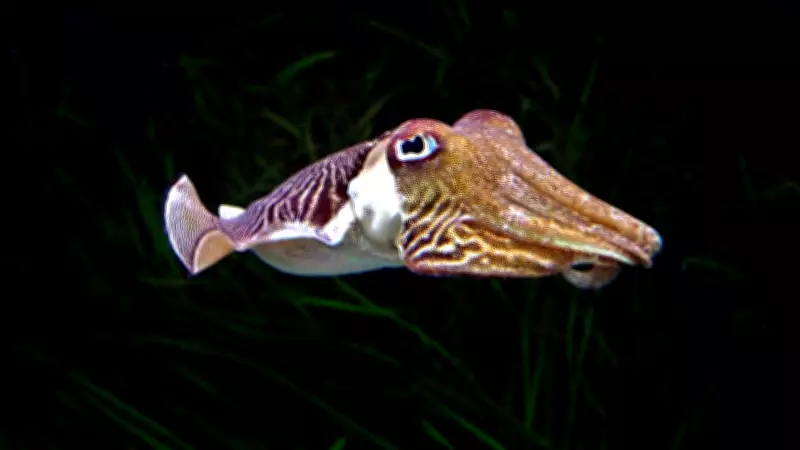
8. Cuttlefish: The Camouflage Experts
Cuttlefish, relatives of octopuses, also possess soft bodies that allow them to squeeze into tight reef crevices. Combined with their extraordinary camouflage skills, this makes them masters of disappearing acts. They have specialized muscles to change their skin texture from smooth to rigid and rough, which further helps them fit into small spaces and evade detection.

9. Mice: Fluffy but Flexible Intruders
Mice can easily squeeze through gaps much smaller than their fluffy bodies might suggest. Since their rib cages can compress, they can fit through holes as small as the width of a coin, as long as their skull can pass through first. This ability makes them notorious for infiltrating homes and other structures, showcasing their survival instincts in urban settings.
10. Camel Spiders: Desert Survivors
Camel spiders, also known as wind scorpions, have flat, flexible bodies that help them slip under rocks and into narrow cracks. In the harsh desert environment, these tight spaces offer crucial protection from both predators and extreme heat, allowing them to thrive in one of the most challenging habitats on Earth.
These ten animals highlight the incredible diversity of adaptations in the natural world, where flattening the body becomes a key survival tool. From oceans to deserts, these escape artists demonstrate how evolution has equipped them with unique abilities to navigate and thrive in their environments, often in ways that seem almost magical to human observers.