Lunar Eclipse 2026: A Spectacular Blood Moon Illuminates the Sky
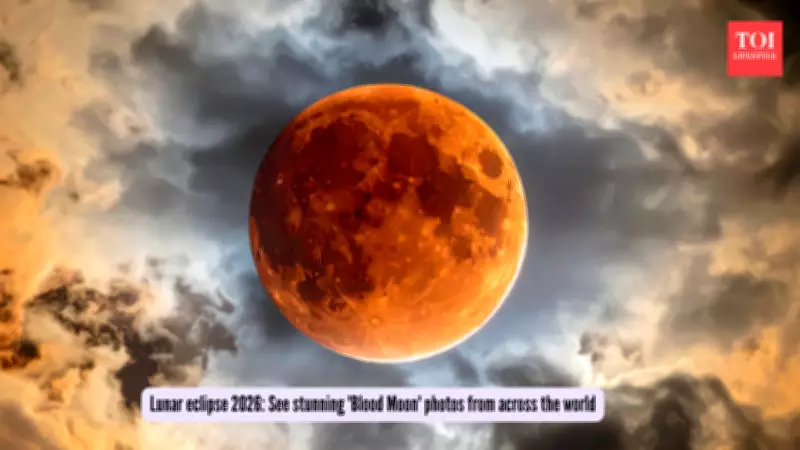
The night sky presented a breathtaking cosmic display on March 3, 2026, as a total lunar eclipse transformed the Moon into a glowing red orb. This celestial phenomenon, often called a "Blood Moon," occurred when the Earth aligned perfectly between the Sun and the Moon, casting its shadow and creating a stunning visual spectacle. The event was captured in stunning photographs from across the world, showcasing the Moon's coppery-orange hue during totality.
Eclipse Date, Timings, and Global Visibility
According to Drikpanchang, the annual lunar eclipse on March 3, 2026, began around 3:00 PM IST, with peak totality occurring between 6:33 PM and 6:40 PM IST. The eclipse concluded by 6:47 PM, lasting approximately 58 minutes in total. It was visible in India, North America, the Pacific regions, Australia, New Zealand, and East Asia, offering a wide audience the chance to witness this natural wonder. For optimal viewing, binoculars were recommended to enhance details, especially near sunset at moonrise.
Why the Moon Appears Blood Red During an Eclipse
During a total lunar eclipse, the Earth completely blocks direct sunlight from reaching the Moon. However, sunlight filtering through the Earth's atmosphere at the edges—similar to sunrises and sunsets—casts red and orange hues into the umbra, the darkest part of the shadow. This causes the Moon to glow in a striking coppery-orange color, visible in five phases: penumbral, partial, total, and then reverse. Unlike solar eclipses, lunar eclipses are safe to watch with the naked eye, though telescopes can provide a more detailed view of the celestial mechanics at play.

Rare Coincidence with the Holi Festival
In a rare synchronisation happening approximately once every 100 years, the 2026 lunar eclipse shared the week with the Holi festival. This alignment created a unique cultural moment, symbolising renewal with the blood Moon by night followed by the vibrant colors of Holi the next day. Hindu traditions regard eclipses as significant events, often marked by fasting or prayers, adding a layer of spiritual importance to this astronomical occurrence.
Viewing the Eclipse in India and Future Events
The total lunar eclipse was visible across most parts of India, with the best viewing window during peak totality from 6:33 PM to 6:40 PM IST, when the Moon turned a vivid blood-red. Many regions enjoyed clear skies, and livestreams were available on platforms like NASA and Indian astronomy apps for those unable to view it directly. Looking ahead, 2026 features 13 full Moons, including two supermoons on November 24 and December 24. The next partial lunar eclipse is set for August 27-28, 2026, covering 96% of the Moon, followed by another total eclipse on New Year's Eve 2028.
Capturing the Magic: Photos from Around the World
Photographers worldwide shared mesmerizing images of the Blood Moon, highlighting its ethereal beauty. These photos serve as a testament to the awe-inspiring nature of lunar eclipses, reminding us of the wonders in our solar system. From social media posts to professional shots, the visual documentation of this event has captivated audiences and astronomy enthusiasts alike.