The southern Indian state of Tamil Nadu has significantly enriched its portfolio of geographically unique products, adding five new entries to its prestigious Geographical Indication (GI) list. This strategic move elevates the total count of GI-tagged products from the state to an impressive 74.
A Collaborative Effort for Artisan Recognition
The initiative to secure these GI tags was a concerted effort led by the Tamil Nadu Handicrafts Development Corporation (Poompuhar) and the Tamil Nadu State Agricultural Marketing Board. They worked in tandem with various NGOs and weavers' societies. According to P Sanjai Gandhi, the state's nodal officer for GI products and an IPR attorney, the goal is to ensure the geographical uniqueness of these items is properly recognized and that the artisans and farmers can derive sustainable benefits from this legal protection.
Meet the New Entries to Tamil Nadu's GI Pantheon
The newly registered products represent a diverse mix of textiles, agriculture, and handicrafts, each with a deep-rooted history and distinct characteristics.

Woraiyur Cotton Sarees: Weaving Chola Legacy
Secured by the Department of Handlooms and five weavers' cooperative societies, the GI tag for Woraiyur cotton sarees protects a legacy dating back to the Chola era. Woraiyur (Uraiyur) in Trichy district, once the Chola capital, was a historic trading hub. The sarees are celebrated for their fine quality, mentioned in ancient Greek and Tamil literature.
Their signature features include thin borders with minimal designs, the distinctive Korvai (continuous running pattern), and geometric motifs. They stand out with vibrant, unusual colours like deep green, violet, and baby brown copper. The unique mineral content of the Cauvery River water is believed to enhance dye absorption, giving the sarees their brilliance. For generations, the skilled Devanga community of weavers has been the custodian of this craft.
Thooyamalli Rice: The Pearl of Tamil Nadu
Known as 'pearl rice' for its shiny, jasmine-like appearance (which is what 'Thooyamalli' means in Tamil), this native rice variety is highly nutritious. Rich in fibre, vitamins, and minerals, it has a cultivation period of 135-140 days. Interestingly, fermented Thooyamalli rice (neeragaram) is said to taste like tender coconut water. While historically grown across Tamil Nadu, its primary cultivation is now concentrated in the Kancheepuram district.
Ambasamudram Wooden Toys (Choppu Samaan)
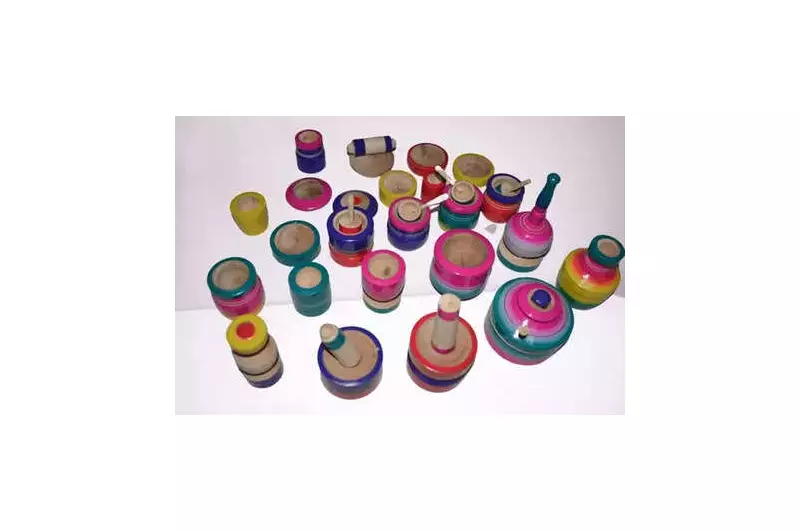
These brightly coloured, lacquered wooden toys, mostly shaped like miniature kitchen utensils, hail from the mountainous Ambasamudram taluk. Known for their vibrant hues, smooth texture, and simple, safe designs, they are favourites among children and eco-conscious adults. Traditionally made from manjal kadamba, teak, and rosewood, artisans now primarily use rubber wood and eucalyptus, maintaining quality through exceptional craftsmanship. The spinning top (pambaram) remains a top seller.
Namakkal Soapstone Utensils (Kalchatty)
Handcrafted from soapstone in Namakkal, these utensils are prized for their durability and chemical resistance. They are ideal for cooking acidic foods with tamarind or lime and for storing pickles, milk, and curd without risk of corrosion. The range has expanded beyond traditional kalchatty to include lamps, idol statues, kuzhipaniyaram moulds, and decorative articles, each piece showcasing exquisite artisan skill.
Kavindapadi Country Sugar (Nattu Sarkarai)
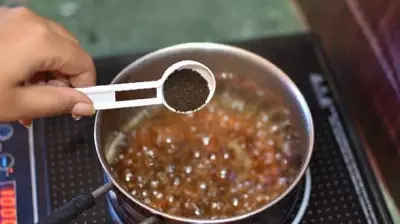
This hand-made country sugar is renowned for its natural sweetness and appealing golden-brown colour. The sugarcane benefits from the unique microclimate of Kavindapadi, which is surrounded by the Bhavani River, the Lower Bhavani canal, and several other water bodies, creating high humidity favourable for cultivation. It is promoted as a healthier alternative to processed white sugar, with about 500 litres of juice yielding 100 kg of sugar.

Securing Heritage, Empowering Communities
The granting of GI tags to these five products is more than a legal formality; it is a vital step in preserving Tamil Nadu's intangible cultural heritage. It provides a shield against imitation, ensures authenticity for consumers, and empowers local artisan and farming communities by linking their products directly to their geographical origin and traditional knowledge. This move not only celebrates the state's rich diversity but also charts a course for the sustainable economic development of its rural crafts and agriculture.