In countless Indian households, Gangajal is far more than ordinary water. Sourced from the revered Ganga river, considered a divine purifier and mother, this sacred water is believed to hold immense spiritual power. It is used to cleanse the mind, sharpen focus, and invite divine grace into the home. However, traditional wisdom holds that this potency is not permanent; it responds directly to how the water is stored, handled, and honored. When cared for with respect, its purity can remain intact for years. Neglect, however, can diminish its spiritual frequency. Here are five essential guidelines to maintain the clear, active, and respectful energy of Gangajal within your personal shrine.
The Right Vessel and Placement
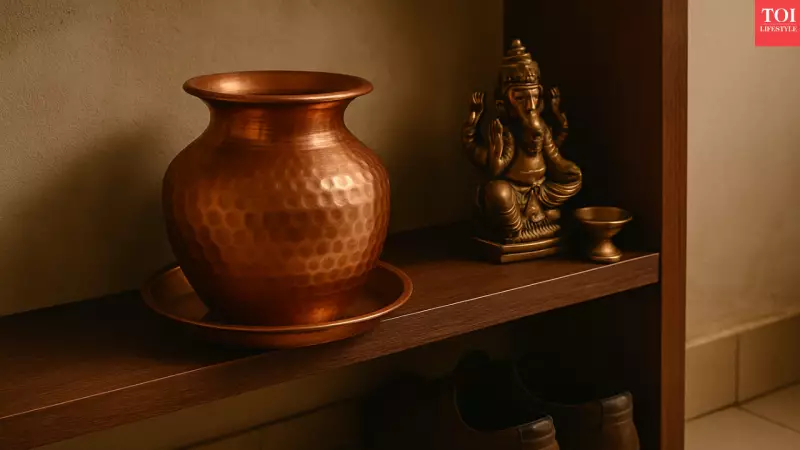
The container you select is as crucial as the Gangajal itself. For generations, devotees have stored this holy water in vessels made of copper, silver, or brass. These metals are not only valued for their natural antimicrobial qualities but are also considered sattvik—promoting purity, balance, and positive energy. Using plastic bottles, chipped containers, or repurposed jars is believed to disrupt the water's sanctity. This practice blends symbolic reverence with practical benefits, as these metals help preserve the water's freshness and vibrational integrity.
Equally important is where you keep it. In Hindu tradition, sacred objects are always placed above ground level to prevent accidental disrespect. Since Gangajal represents the Ganga herself, storing it on a high shelf within the temple space or in a clean, wall-mounted cabinet honors that reverence. It should be kept away from areas near feet, shoes, or household clutter, as this can energetically dull its presence. Avoid placing it on bathroom-adjacent walls or in dusty corners.

Mindful Handling and Purity
How you interact with Gangajal matters deeply. Touch is seen as carrying intention. Therefore, it is essential to wash or at least rinse your hands before handling the container, pouring the water, or using it in rituals. This act is less about rigid purity and more about cultivating mindfulness. Approaching the sacred water with clean hands, a slowed breath, and a calm mind aligns your personal energy with its inherent serenity.
A critical rule is to never mix Gangajal with regular tap water. Topping up the container when the level gets low is considered a significant spiritual misstep. Mixing dilutes the unique vibrational purity of the Gangajal, rendering it unsuitable for rituals. If the supply diminishes, let it do so naturally. Once it is finished, thoroughly clean the vessel and refill it only with fresh, pure Gangajal. This preserves its sanctity for the long term.
Creating a Conducive Environment
Sacred water thrives in a sacred space. The area surrounding the Gangajal should be kept calm, clean, and intentionally organized. If the temple shelf is cluttered with everyday items like keys, receipts, broken diyas, or dusty idols, the energy becomes scattered and unfocused. A serene environment helps the water remain spiritually active.
To honor this principle, dust the temple area regularly and avoid storing unused items behind idols. Lighting a diya near the Gangajal when possible can enhance the ambiance. The goal is to create a dedicated, tidy space that feels intentional, allowing the Gangajal to serve as a quiet center of purity and peace within the home.