In the quiet corners of Indian temples, a profound spiritual practice unfolds, far removed from transactional exchanges. According to traditional beliefs updated in a January 2026 report, certain secret donations are considered powerful conduits for seeking blessings and good fortune. This practice is not about bargaining with fate but represents a quieter, more inward journey where simple offerings carry deep symbolic weight, shaped over centuries.
The Symbolic Meaning Behind Traditional Offerings
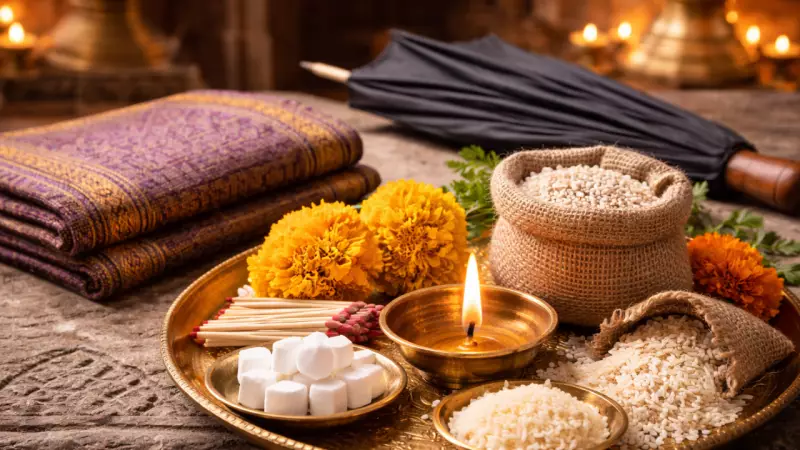
Each item donated in a temple is believed to reflect core human needs: peace of mind, protection, stability, and continuity. The objects themselves are ordinary, yet the intention behind giving them is deeply personal and deliberate. These acts are seen as quiet expressions of faith, marking moments of pause, reflection, and trust in a higher power. Here are the six traditional items and what they are believed to represent.
Kapoor (Camphor): For Cleansing and Clarity
Offering kapoor or camphor holds significant meaning in temple rituals. Since it burns without leaving any residue, it is traditionally associated with cleansing and release. The act symbolizes the removal of negative thoughts, fear, and mental heaviness. It is meant to encourage inner clarity and calm, reinforcing the spiritual idea of letting go of emotional clutter to make way for peace.

Aasan Daan: For Seeking Stability
Donating an aasan or a seat is a symbolic gesture for seeking stability, particularly financial steadiness. The aasan provides a base for the body, allowing for stillness. This offering is chosen by those who desire a firm foundation in life, valuing continuity and steady income over quick, unpredictable wins. It is an act that reflects patience and a wish for a life that functions on solid ground.
Matchsticks: To Ignite Closure
Matchsticks represent the power of ignition—the ability to start and finish tasks. Donating them is believed to help clear pending debts, both financial and emotional. People often turn to this offering when situations feel stuck, such as during delayed payments, unresolved responsibilities, or cycles that seem impossible to break. The spark of a match symbolizes the movement needed to achieve closure.
Umbrella: For Divine Protection
An umbrella serves as a quiet shield. It doesn't stop the storm but softens its impact. Donating one is associated with seeking divine protection during uncertain or transitional phases in life. This offering is made during new journeys, unstable periods, or times when personal control feels limited. It is an act rooted less in fear and more in trust for safe passage.
Diya: For Continuity and Growth
A diya or oil lamp represents the uninterrupted flow of life. Donating a diya is traditionally linked to vansh vriddhi—ensuring growth, harmony, and continuity within the family lineage. Beyond bloodlines, it symbolizes warmth in relationships and stability across generations. It serves as a reminder that even a small, protected flame can sustain light and warmth.
Ann Daan: The Most Meaningful Giving
Food donation holds a central place in Indian spiritual practice. Offering grains or meals is seen as one of the most meaningful forms of giving because it directly supports life. This act, known as Ann Daan, is associated with cultivating gratitude, inner balance, and lasting contentment. It transcends the desire for specific outcomes, focusing instead on the fundamental nourishment of others.
These six secret donations, as per enduring traditional beliefs, offer a framework for personal spiritual expression. They transform simple, everyday objects into powerful symbols of hope, release, and trust, providing a timeless way to seek blessings within the sacred space of a temple.