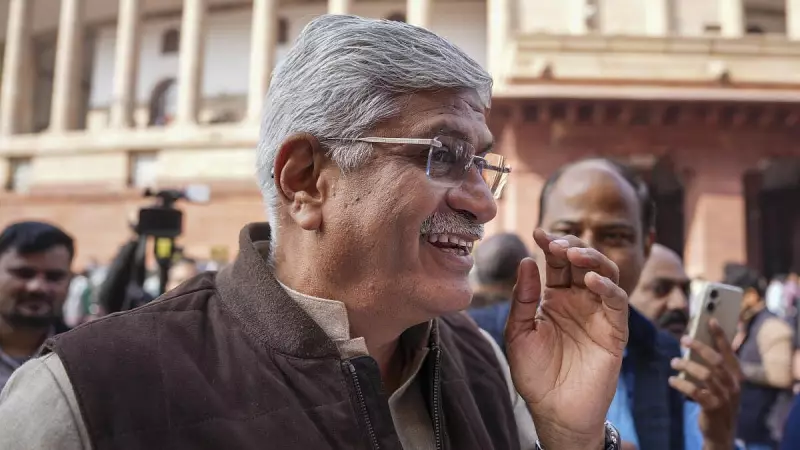
In a significant update on India's cultural heritage preservation, Union Minister Gajendra Singh Shekhawat revealed that the nation has successfully retrieved 655 antiquities from foreign countries since 1976. This milestone underscores decades of diplomatic and legal efforts to reclaim India's scattered historical treasures.
Decades of Dedicated Recovery Efforts
The retrieval of these 655 artifacts represents a persistent, multi-generational mission. The process involves complex international cooperation, legal frameworks, and provenance research to identify and reclaim items that left Indian shores under various circumstances. Each recovery marks a victory in restoring the country's cultural narrative and reconnecting present and future generations with their tangible past.
ASI's Monumental Conservation Work Across India
Parallel to the international recovery mission, the Archaeological Survey of India (ASI) is engaged in colossal conservation work domestically. The agency is responsible for the conservation and maintenance of 3,685 ancient monuments and archaeological sites declared of national importance. This vast portfolio includes iconic structures like the Taj Mahal, ancient temples, forts, and prehistoric sites spread across the length and breadth of the country.

The ASI's role extends beyond mere preservation. It actively works on improving visitor infrastructure at these sites. This includes the provision of essential amenities like drinking water facilities, toilet blocks, visitor pathways, and landscaping. These efforts aim to protect the monuments while making them accessible and educational for the public, thereby fostering a deeper connection with India's history.
A Two-Pronged Strategy for Heritage
The announcement, made on December 4, 2025, highlights the government's two-pronged strategy for heritage management. On one front, it aggressively pursues the return of cultural property from abroad. On the other, it invests heavily in the care and presentation of the heritage sites within its borders. This comprehensive approach ensures that both recovered artifacts and standing monuments receive the protection and prominence they deserve.
The work of the ASI and the recovery of antiquities are crucial for:
- Cultural Sovereignty: Reasserting control over national heritage.
- Historical Research: Providing authentic materials for academic study.
- Tourism and Education: Enhancing visitor experience and public knowledge.
- National Pride: Preserving symbols of India's ancient and diverse civilizations.
As India continues to grow as a global power, the safeguarding and recovery of its cultural heritage remain a key priority, blending diplomacy, law, and conservation science into a unified mission for the nation's soul.