While humans pride themselves on smart homes and innovative designs, the animal kingdom has been perfecting the art of architecture for millions of years. Without formal training or complex blueprints, these creatures construct intricate, functional, and often massive structures that serve as their homes and reshape entire ecosystems. Their innate skills in engineering and design put many human endeavors to shame.
Nature's Civil Engineers: Beavers and Termites
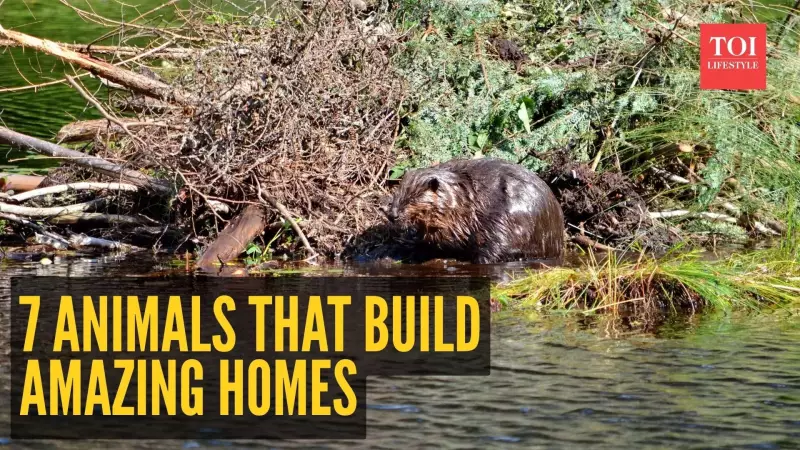
Beavers are widely regarded as the premier engineers of the forest. Using readily available materials like sticks, mud, and logs, they systematically construct dams and lodges. Their work doesn't just create a home for themselves; it transforms the landscape. By blocking streams, they create new ponds that become thriving habitats for birds, fish, frogs, and numerous other species, effectively engineering a new wetland ecosystem.
Meanwhile, termites create towering mounds from soil, saliva, and excrement. These structures, which can reach impressive heights, are marvels of environmental control. The interior is a labyrinth of tunnels designed to maintain perfect ventilation and a stable temperature, ensuring the comfort and survival of the entire colony regardless of the harsh conditions outside.

Avian Weavers and Marine Masons
Weaver birds showcase exceptional craftsmanship. They meticulously weave intricate nests from blades of grass and leaves, skillfully knotting the fibers to create a secure, hanging pouch. These nests are suspended from the tips of branches, a strategic move to deter predators like snakes. Each nest is a testament to precision and durability, resembling a carefully crafted piece of art.
In the ocean, tiny coral polyps perform a feat of collective architecture on a grand scale. Each minuscule polyp secretes calcium carbonate to form a hard skeleton. Over centuries, billions of these polyps build up to form vast coral reefs—the largest living structures on Earth. These reefs provide crucial shelter and breeding grounds for thousands of marine species and act as natural barriers, protecting coastlines from powerful waves.
Underground Metropolises and Silk Engineers
The world beneath our feet is bustling with activity. Ants construct elaborate underground cities with specialized chambers for nurseries, food storage, and waste disposal. Species like leafcutter ants have even developed agriculture, cultivating fungus gardens within their tunnels for food. Similarly, prairie dogs dig extensive burrow systems, known as towns, which can span hundreds of acres. These complexes feature separate rooms for sleeping, rearing young, and listening for predators, connected by a network of tunnels that allow for community living and safety.
Perhaps the most versatile builders are spiders. They produce silk from their own bodies and engineer it into sophisticated webs. These webs serve a dual purpose: a home and a highly effective trap for prey. The designs vary remarkably between species, from the classic orb web's perfect geometry to the seemingly haughty tangle of a cobweb, all made from a material that is, proportionally, stronger than steel.
These seven animal architects remind us that innovation and complex engineering are not solely human domains. Their instinctual skills in construction, climate control, and community planning offer profound lessons in sustainability and design, all achieved quietly and efficiently in the wild.