

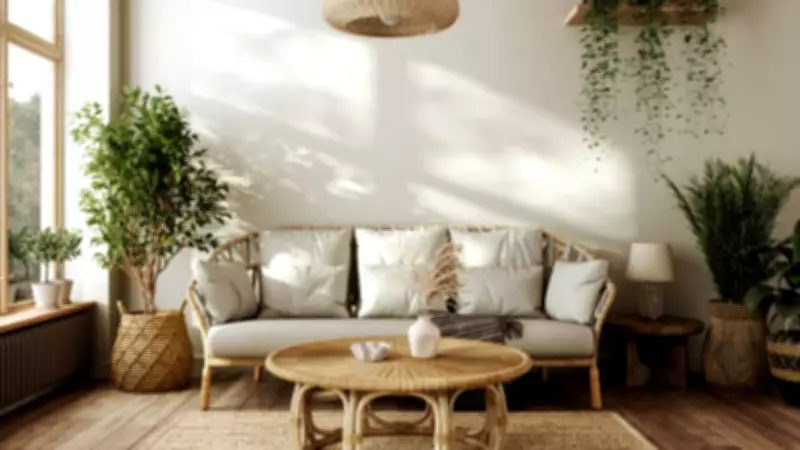
There is something truly special about your first home. It goes beyond the four walls and becomes a space you can call your own. It reflects your personality and gives you the freedom to design, organize, and personalize it your way. Getting it right does not require an unlimited budget or a celebrity interior designer. What it does require is clarity—knowing what you want your space to do for you—and making deliberate choices to achieve that. Here are seven practical, design-informed ways to transform your first flat into a home that works as well as it feels.
Invest in a Layered Lighting Plan
Lighting is something many individuals ignore when setting up their homes. Yet, it is one of the most underestimated and impactful elements of interior design. Instead of a single overhead fixture, build a layered lighting scheme. Combine ambient lighting with a floor lamp, LED strips behind your TV unit, and smart bulbs that are both aesthetic and functional for daily life.
Designate a Tech-Free Nook
In an environment where digital noise is constant, dedicating a low-stimulation zone at home can contribute to improvement in focus and relaxation. This space does not need to be a separate room; instead, it can be a small corner in your living area. Add a comfortable chair with proper lumbar support, a side table at the right height, and a soft light source positioned to avoid glare.

Choose a Cohesive Colour Story
Colour plays an important role in making your home feel warm and inviting. Pick two or three base tones that match your soft furnishings, accessories, and accents. Warm neutrals like off-white, warm taupe, or dusty terracotta pair well with most interior styles and create visual harmony. Thoughtful colour choices can make your home feel more welcoming than scattered pieces of furniture.
Bring the Outside In with Greenery
You do not need a garden to add life to your space. Even two or three small plants on a windowsill or a single pothos plant on a shelf is enough to make a difference. Plants make the air feel lighter and add colour without being over the top. For easy upkeep, opt for low-maintenance plants like money plants, succulents, or snake plants.
Textiles for Warmth and Texture
One of the easiest ways to make a space feel cozy and comfortable is through textiles. Drape a soft throw and layer it with a few linen cushions, and add a textured rug on the floor. These small additions bring visual depth and warmth to a room without requiring any major structural changes.
Use Storage as a Design Element
Storage solutions do not always have to be purely functional. If you are mindful of your space, you can turn them into a design asset. Think open shelves displaying a curated mix of books, plants, and meaningful objects. These adjustments keep your home organized while adding personality to the room.
Be Mindful About Furniture Placement
It is tempting to shove furniture against the walls, but all it will do is make your space look cluttered and small. To create a more open feel, leave some breathing space and place your sofas a little away from the wall to form a distinct conversation area. This simple, no-cost tweak transforms your room and opens it up for better living.
A cozy home does not come together all at once; it takes shape slowly, one step at a time. With the right mix of light, space, and material, you can transform your home to feel comfortably yours—something that offers peace of mind. When done right, it becomes more than just a place to live; it becomes a space you look forward to coming back to.
Author: Jason Samuel, Managing Director at House of Swamiraj






