From Corpse Flower to Skunk Cabbage: 7 World's Most Foul-Smelling Blooms
Flowers are universally celebrated for their beauty and enchanting fragrances, yet nature harbors a fascinating exception. Some botanical specimens have evolved to produce odors that are anything but pleasant, emitting scents reminiscent of rotting flesh, animal dung, or decay. This unique survival strategy, while offensive to human senses, serves a critical purpose: attracting specific pollinators like beetles and flies that are drawn to such smells. For botany enthusiasts and curious minds alike, these plants represent a remarkable aspect of evolutionary adaptation. Below, we explore seven of the world's most notorious foul-smelling flowers, each with its own stinky story.
1. Titan Arum (Corpse Flower)
The Titan Arum, often called the corpse flower, is widely regarded as one of the smelliest plants on Earth. When it finally blooms after many years of growth, it releases a powerful odor strikingly similar to rotting flesh. This scent acts as a lure for carrion-loving insects, which aid in pollination. The plant's enormous inflorescence can reach several meters in height, and its rare, brief flowering events are both dramatic and highly anticipated in botanical circles.
2. Rafflesia Arnoldii
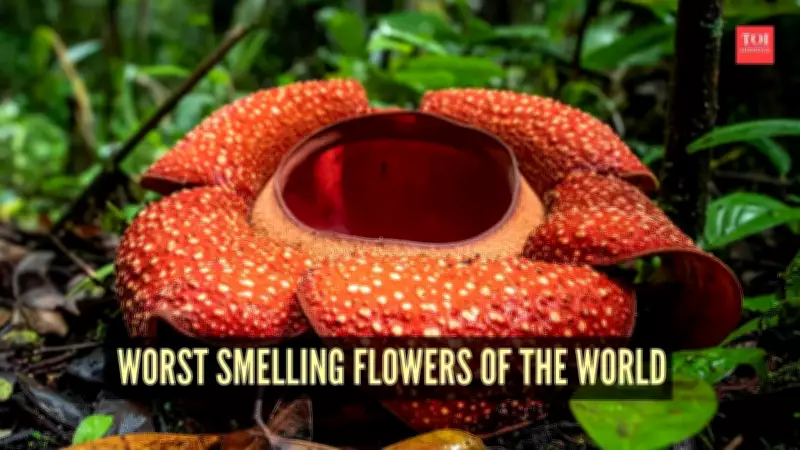
Rafflesia arnoldii holds the title for the world's largest single flower, but it's equally famous for its unpleasant stench, which mimics a decaying carcass. This parasitic plant lacks leaves, stems, and roots, relying entirely on a host vine for survival. Its foul odor serves as bait for flies, essential pollinators that ensure the plant's reproduction in its natural habitat, highlighting the vital role of scent in its ecological strategy.

3. Skunk Cabbage
True to its name, Skunk Cabbage emits a rotten or skunk-like odor that attracts insects in swampy environments. Some species of this plant even generate heat during blooming, which can melt surrounding snow, making it easier for pollinators to access the flower. Despite its off-putting smell, this adaptation is key to successful reproduction in cold climates, showcasing nature's ingenuity.
4. Carrion Flower (Stapelia Gigantea)
Native to South Africa, the Carrion Flower cleverly mimics both the appearance and smell of decaying animal flesh. This deception attracts flies that typically feed on dead animals, turning them into accidental pollinators. While its scent is unpleasant, the star-shaped bloom is sometimes cultivated as an ornamental plant due to its unique and striking visual appeal.
5. Hydnora Africana
Hydnora africana is a bizarre plant that grows underground and emits a dung-like odor when it emerges to flower. This smell attracts beetles, which become temporarily trapped inside the bloom, facilitating pollen transfer. This precise ecological mechanism demonstrates how even harsh odors can serve a specific and effective function in plant reproduction.
6. Bulbophyllum Phalaenopsis
This exotic orchid from New Guinea defies expectations by producing a moldy, rotting-flesh smell instead of the pleasant fragrance typical of orchids. The scent draws flies that act as pollinators, illustrating how floral odors can vary widely based on ecological needs rather than human preferences, emphasizing adaptation over aesthetics.
7. Dead Horse Arum Lily
The Dead Horse Arum Lily releases a powerful stench similar to decaying flesh to attract blowflies and other carrion insects. These insects play a crucial role as pollinators, ensuring the plant's reproduction. Like its foul-smelling counterparts, this odor is not accidental but a carefully evolved biological signal tailored to its survival strategy.

Conclusion: Nature's Stinky Brilliance
These seven flowers exemplify the exceptional creativity of nature, even when their scents are far from pleasing to humans. By mimicking spoilage, garbage, or decay, they invite the very insects responsible for their reproduction and survival. What may seem offensive to our senses is often a brilliant evolutionary tactic, reminding us that in the natural world, beauty is rarely linked solely with fragrance. Instead, it is deeply connected to function and adaptation, showcasing how plants have evolved diverse strategies to thrive in their environments. From the rare bloom of the Titan Arum to the underground emergence of Hydnora africana, these stinky wonders continue to fascinate and educate us about the complexities of botanical life.