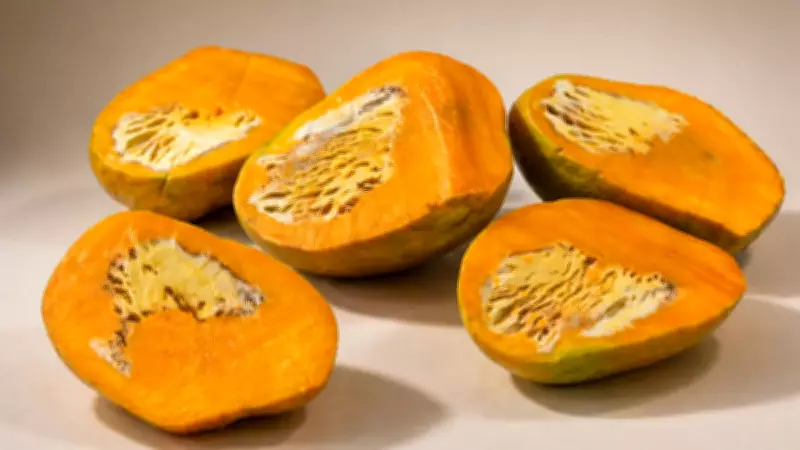
Mango lovers often encounter a disappointing surprise when cutting open a ripe Alphonso mango: white, spongy patches inside the fruit. This condition, known as spongy tissue, affects the texture and taste of the mango, making it less enjoyable. Understanding why this happens can help consumers select better mangoes and farmers adopt preventive measures.
What Is Spongy Tissue in Mango?
Spongy tissue is a physiological disorder that causes the mango flesh to become soft, white, and corky. It typically appears in the middle of the fruit, near the seed, and can extend outward. The affected area lacks the characteristic juicy, fibrous texture of a healthy mango and often has a bland or off-flavor.
Causes of Spongy Tissue
Several factors contribute to the development of spongy tissue in mangoes, particularly in the Alphonso variety:

- High temperatures during growth: Prolonged exposure to temperatures above 40°C (104°F) during fruit development can trigger the disorder.
- Harvesting at the wrong maturity: Mangoes picked too early or too late are more prone to spongy tissue.
- Improper post-harvest handling: Rapid cooling or exposure to ethylene gas can induce the condition.
- Nutritional imbalances: Deficiencies in calcium and boron in the soil may increase susceptibility.
Effects on Taste and Quality
Mangoes with spongy tissue are not harmful to eat, but their eating quality is significantly reduced. The affected areas are dry, mealy, and lack sweetness. In severe cases, the entire fruit may be unusable for fresh consumption, though it can still be used in processed products like purees or juices.
How to Avoid Spongy Tissue Mangoes
Consumers can minimize the chance of buying affected mangoes by following these tips:
- Check the stem end: Press gently near the stem; if it feels soft or spongy, the fruit may have internal issues.
- Look for uniform color: Avoid mangoes with uneven ripening or green patches near the stem.
- Buy from reputable sources: Trusted vendors often source mangoes from farms with good practices.
- Ask about variety: Some mango varieties are less prone to spongy tissue than Alphonso.
Preventive Measures for Farmers
Farmers can reduce the incidence of spongy tissue by:
- Providing adequate irrigation during hot spells.
- Applying calcium and boron supplements to the soil.
- Harvesting at the optimal maturity stage.
- Using controlled atmosphere storage to slow down ripening.
While spongy tissue remains a challenge for mango growers, ongoing research aims to develop resistant varieties and better management practices. For now, consumers can enjoy the delicious Alphonso mango by being mindful of these signs.