8 Everyday Items That Were Named After Real People: The Stories Behind Common Words
Many of the words we use daily carry hidden histories, rooted in the names of real individuals who invented, popularized, or were associated with them. In linguistics, these are known as 'eponyms'—terms derived from personal names that have seamlessly integrated into our vocabulary, often losing their connection to their origins over time.
For instance, when you order a sandwich, start a diesel engine, or sketch a silhouette, you might not realize you're invoking the legacies of specific people. Language has a powerful way of immortalizing contributions, turning surnames into permanent fixtures of everyday speech. Here are eight common items and words that trace back to real individuals, with their stories expanded for deeper insight.
Saxophone
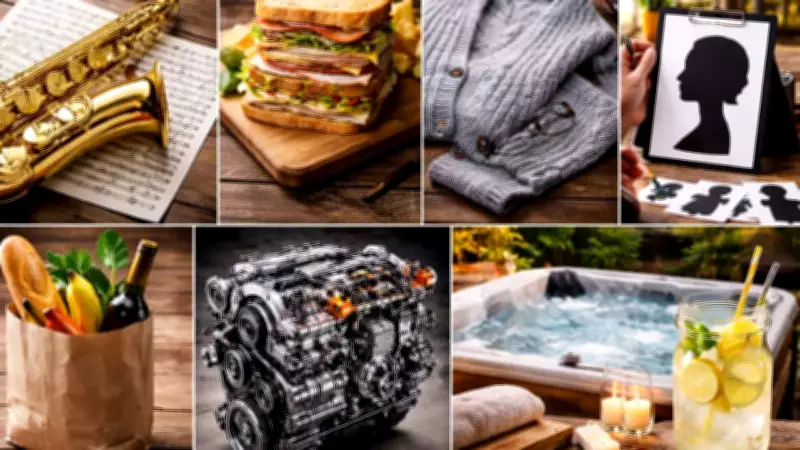
The saxophone owes its name to Adolphe Sax, a Belgian instrument maker who invented it in the 1840s. Sax aimed to create an instrument combining the power of brass with the versatility of woodwinds, leading to the saxophone's development. This innovation revolutionized music, particularly in jazz and contemporary genres, making Sax's name synonymous with a beloved musical tool.

Sandwich
The term 'sandwich' originates from John Montagu, the 4th Earl of Sandwich, an 18th-century English aristocrat. Legend has it that Montagu, an avid gambler, didn't want to leave the gaming table for meals. He ordered meat placed between two slices of bread, allowing him to eat with one hand while continuing to play. This convenient meal caught on, with people requesting "the same as a sandwich," cementing the name for the ubiquitous food item we enjoy today.
Cardigan
The cardigan sweater is named after James Brudenell, the 7th Earl of Cardigan, a British military officer from the 19th century. During the Crimean War, he wore a knitted wool sweater to stay warm in harsh weather, popularizing the garment in Britain and beyond. Over time, this style of sweater with a front opening became known as a 'cardigan,' a staple in fashion wardrobes worldwide.
Diesel
The word 'diesel' comes from Rudolf Diesel, a German engineer who invented the diesel engine in the late 19th century. His engine was more efficient than predecessors, using compression rather than spark plugs for ignition. The significance of his invention led to his surname being applied to both the engine and the fuel it uses, highlighting his lasting impact on transportation and industry.
Fahrenheit
The Fahrenheit temperature scale is named after Daniel Gabriel Fahrenheit, a German physicist who invented the mercury thermometer in the early 18th century. Although most of the world now uses Celsius, the United States and some other regions still rely on Fahrenheit for weather and scientific measurements, preserving his legacy in everyday temperature readings.
Braille
Braille, the writing system for blind or visually impaired individuals, is named after Louis Braille, a French educator from the early 19th century. Braille developed a system of raised dots that can be read by touch, enabling independence in reading and writing for millions. His invention remains a critical tool for accessibility and education globally.
Boycott
The term 'boycott' derives from Charles Boycott, a British land agent in Ireland during the 1880s. Tenants protested his high rents and poor treatment by refusing to work for him, sell products to him, or even speak with him. This effective strategy gained media attention, turning his name into a verb for organized protest, now used worldwide in social and political movements.
Silhouette
The word 'silhouette' comes from Étienne de Silhouette, a French finance minister in the 1700s known for strict economic policies and cost-cutting measures. Inexpensive shadow portraits were popular at the time, and people jokingly called them 'silhouettes' in reference to his frugality. This playful nickname stuck, evolving into the term for profile outlines we use today.
These eponyms remind us that language is a living history, woven with the stories of innovators and influencers. From meals to machines, everyday words often honor the real people behind them, blending their legacies into our daily conversations without us even noticing.