Adishakti Reimagines Hamlet with a Powerful Female Protagonist
The Adishakti Laboratory for Theatre Art Research in Puducherry continues its tradition of reinterpreting classic stories. Their latest production, A Woman or Not To Be, offers a radical new take on William Shakespeare's Hamlet. This version features a female Hamlet, directly challenging the misogyny embedded in one of the world's most performed plays.
Inspired by Real-World Gender Violence
Artistic Director Vinay Kumar KJ wrote the play. His motivation came from a disturbing news report about an acid attack. Kumar saw a clear connection between such modern acts of violence and the tragedies in Shakespeare's works. "I couldn't see any ethical difference between the acid attack and what Othello or Hamlet did," he states. In both Othello and Hamlet, he argues, patriarchy drives the narrative and leads to female casualties like Desdemona and Ophelia.
Kumar's previous work, Bhoomi, focused on a rape survivor. His current preoccupation with gender issues stems from a desire to examine the social blind spots within iconic texts. He believes great literature often hides misogyny that needs to be called out.

Princess Hamlet: A Headstrong Young Woman
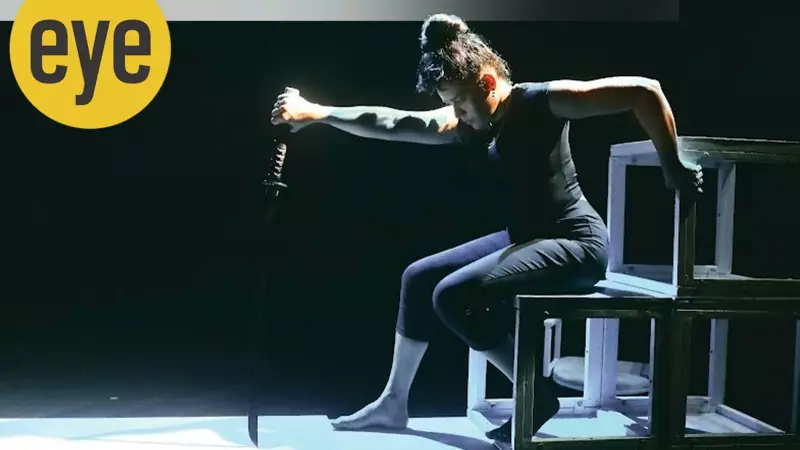
In this reinterpretation, Hamlet is a 20-year-old princess. Play director Nimmy Raphel describes her as headstrong, restless, and filled with youthful angst. She is a fan of Japanese manga and anime and a dedicated martial arts practitioner. The story begins at her birthday party, where she is dressed as a Samurai.
The plot twist comes when she receives devastating news from home. She returns to find her mother murdered and her aunt married to her father. However, the ghost of her parent does not urge revenge. Instead, the phantom pleads for restraint, asking her to complete her education and protect herself. This plea becomes unbearable for the grieving young woman, adding a new layer of conflict to the familiar tale.
Adishakti's Signature Theatrical Style
The production follows Adishakti's quintessential form, developed under the late theatre doyen Veenapani Chawla. The style blends choreography and interactive physical movement with deliberate silences. It introduces unexpected changes to well-known stories, forcing audiences to see them anew.
A Woman or Not To Be opened at Ranga Shankara in Bengaluru. It is now touring, with scheduled performances at Mumbai's Prithvi Theatre and Pune's The Box. The play arrives amidst a renewed global interest in Hamlet adaptations. The Royal Shakespeare Company has announced a tour, and a new film starring Riz Ahmed is set for release. Maggie O'Farrell's novel Hamnet recently won a Golden Globe for Best Drama.
Confronting the Male Gaze in Classic Literature
Kumar emphasizes a critical examination of the privileges in Shakespeare's original work. "The fundamental issue is that all of Hamlet's iconic brooding is a privileged space that only a male can indulge in," he explains. He questions why it remains problematic for a woman to make a reasoned argument, often needing to shout to be heard. In his view, the classic Hamlet represents a type of masculine male peddling misogyny.
Through this production, Adishakti continues Veenapani Chawla's philosophy of re-engaging with past stories. The institution believes retelling mythical stories for each generation is how civilizations build and evolve. By placing a woman at the center of Hamlet's tragedy, A Woman or Not To Be offers a fresh, urgent perspective on power, gender, and revenge.