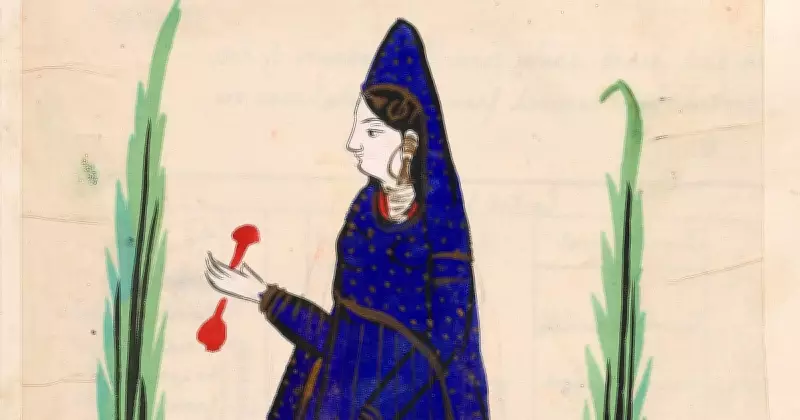
The Akali Nihang Singhs, renowned for their striking blue attire, trace their origins to the time of the tenth Sikh Guru in the last quarter of the 17th century. Among them, women played a unique role as both wife and mother, but first and foremost, a warrior.
Origins and Attire
The Akali Nihang Singhs are a distinct Sikh warrior order known for their deep blue clothing, often adorned with steel weapons and religious symbols. Their name derives from the Persian word 'Akali' meaning 'immortal' and 'Nihang' meaning 'crocodile', symbolizing fearlessness.
Historical Accounts
According to historical records, these warriors emerged during the turbulent period of the 17th century under Guru Gobind Singh. They were tasked with protecting the Sikh community and upholding martial traditions. Women, as depicted in artworks from the 1860s by William Simpson, were often shown with children in the background, yet they were equally trained in combat.

Warrior Women
As Tanya Mascarenhas reports, the Akali Nihang Singh women balanced domestic roles with martial duties. A quote from the article states, 'Wife and mother, but first, a warrior.' This highlights their dual identity. They participated in battles and were respected for their bravery, often carrying weapons like the chakram and spear.
Artistic Depictions
Artworks from the Wellcome Collection show a seated holy man with figures, including female Akalis in the background with children. Another piece, 'Sikh warrior and wife', by an unknown artist, illustrates the partnership between male and female warriors. These images, published on 05 July 2026, offer a glimpse into their lives.
Legacy
The Akali Nihang Singhs continue to be a symbol of Sikh martial heritage. Their tradition emphasizes equality and courage, with women playing a vital role. Today, they are celebrated in festivals and reenactments, preserving their legacy for future generations.