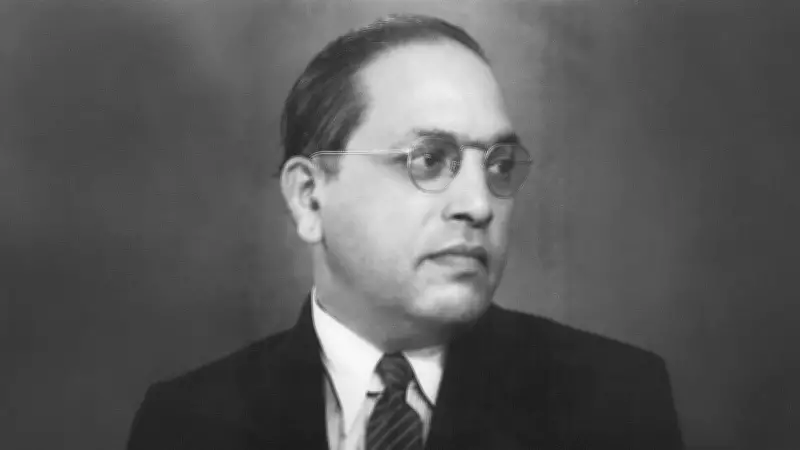
The Historic Conversion to Navayana Buddhism: Ambedkar's Stand Against Untouchability
In the early years of India's independence, a profound social and religious transformation unfolded that would leave an indelible mark on the nation's history. On October 14, 1956, the newly established Indian republic witnessed an extraordinary event of monumental significance. Close to half a million Indians gathered to embrace a new spiritual path, converting to Navayana Buddhism under the leadership of its founder, the revered leader they affectionately called Babasaheb, Dr. Bhimrao Ambedkar.
The Enduring Stigma of Untouchability in Post-Independence India
This mass conversion represented far more than a religious shift; it was a powerful political and social statement against the persistent practice of untouchability, which continued to plague Indian society despite its legal abolition. Dr. Ambedkar, born into the Mahar caste—a community historically labeled as "untouchable" due to its hereditary occupations—understood this stigma with painful intimacy. The discrimination extended beyond mere social exclusion to encompass deep-seated prejudice against work associated with animal carcasses and bodily remains.
Remarkably, this social stigma clung tenaciously to the entire Mahar community, even affecting those individuals who had successfully broken free from traditional occupations. Many Mahars had pursued respectable careers in the military or secured positions in government service, yet they continued to face discrimination and social ostracization. Their professional achievements did not shield them from the entrenched caste-based prejudices that permeated various aspects of daily life.

Ambedkar's Vision for Social Liberation Through Spiritual Means
Dr. Ambedkar's decision to establish Navayana Buddhism—often translated as "New Vehicle" Buddhism—emerged from his lifelong struggle against caste discrimination and his search for a spiritual framework that rejected hierarchical social structures. Having experienced the limitations of political and legal approaches alone in combating untouchability, he turned to religious conversion as a means of achieving social liberation for oppressed communities.
The mass conversion ceremony on that historic October day represented a collective rejection of the Hindu caste system and its attendant practices of untouchability. By embracing Buddhism, which traditionally emphasizes equality and rejects caste distinctions, Ambedkar and his followers sought to create a new social identity free from the burdens of hereditary stigma. This event highlighted the complex intersection of religion, social justice, and identity politics in post-independence India.
The Legacy of the 1956 Conversion and Its Contemporary Relevance
The conversion to Navayana Buddhism continues to resonate through Indian society decades later, serving as:
- A powerful symbol of resistance against caste-based discrimination
- A testament to Ambedkar's multifaceted approach to social reform
- A reminder that legal abolition of practices like untouchability does not automatically erase deep-rooted social prejudices
- An inspiration for ongoing movements advocating for dignity and equality for marginalized communities
This historic event underscores the enduring challenge of transforming social attitudes even after implementing progressive legislation, a reality that remains relevant in contemporary discussions about social justice and equality in India and beyond.