Anant Samagam Festival Creates Artistic Confluence of Three Indian Cultures in Delhi
The historic Travancore Palace in Delhi recently became the vibrant epicenter for a unique cultural exchange as it hosted the three-day multidisciplinary festival, Anant Samagam. This immersive event brilliantly showcased the artistic traditions and contemporary expressions of Rajasthan, Assam, and West Bengal, creating a remarkable confluence of these three distinct regional cultures through diverse creative mediums.
A Visionary Platform for Cultural Dialogue and Collaboration
Rennie Joyy, the founder of Aalekh Foundation and the chief organizer of Anant Samagam, articulated the festival's profound philosophy. "Music, photography, fashion, and food—everything is fundamentally art," Joyy stated. "Anant Samagam celebrates the beautiful confluence of cultures through these varied mediums. Our core aim is to encourage introspection, inspire the youth, and establish a collaborative platform where people can genuinely experience the multifaceted aspects of these three rich cultures and regions." Joyy emphasized the deep historical connections between Assam, Bengal, and Rajasthan, which are intertwined through centuries of trade, textile traditions, musical heritage, and shared spiritual thought. The festival's central idea was to artistically showcase this confluence of the Eastern and Western cultural streams of India.
Contemporary Artistic Installations and Tactile Cultural Experiences
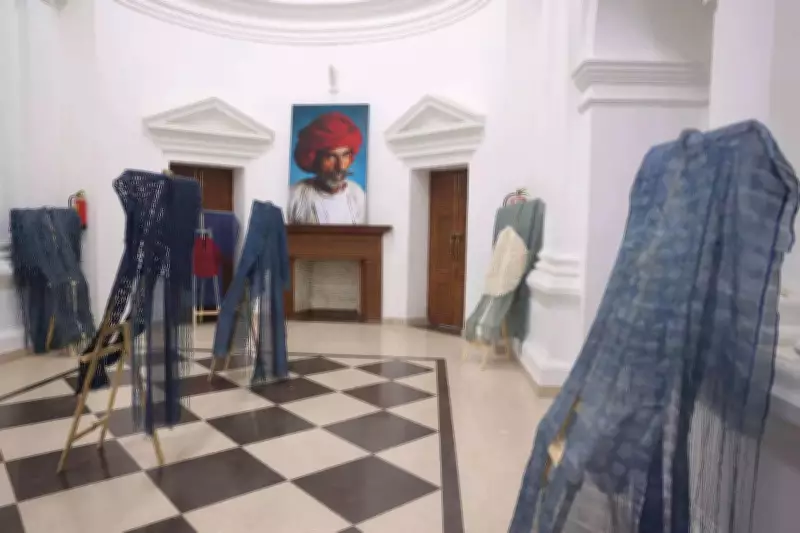
The festival offered attendees a deeply tactile and visual journey. Notable installations included Bappaditya Biswas's exquisite indigo-dyed jamdani textiles, Samar Jodha's compelling multi-media artwork highlighting Assam's mining communities, and Abhishek Hajela's evocative photographic series capturing the distinct moods of urban landscapes in Bengal and Rajasthan. These works presented the three regions through a modern, contemporary lens.

Anita Horam, founder of The Mighty Muse, which served as the curatorial partner for the event, explained the artistic vision. "The curation was intentionally contemporary, designed to celebrate these three regions in a modern context," Horam noted. "From themes of conservation and craft revival to spotlighting specific communities, these curations function as vital cultural bridges in today's world." She observed that modern audiences are different and increasingly seek to experience culture in an immersive, tactile manner, a need the festival successfully addressed.
Fashion, Performances, and Intellectual Discourse
Anant Samagam featured a rich program beyond static art. The event included prestigious fashion showcases by renowned designers such as Sonam Dubal, Pallavi Jaipur, Jahnabi Phookan, and Bappaditya Biswas, blending traditional craftsmanship with contemporary design. The festival stage came alive with diverse live performances, including sets by the Zuheb Kollective, the contemporary folk band Fakira, acclaimed Assamese violinist Sunita Bhuyan, and the authentic sounds of the Rajasthani folk music group Raahein Gharana, along with powerful vocals and percussion from Manganiar artist Kutle Khan.
Adding intellectual depth to the festivities, the festival hosted a series of thought-provoking panel discussions. These sessions delved into critical topics such as the future of traditional crafts, culture as a living and evolving continuum, and the role of food as a powerful repository of cultural memory and identity.
A Celebration of Heritage and Modernity
The festival also highlighted stunning examples of material culture where heritage met innovation. This was exemplified in works like Jenjum Gadi's intricate brass artwork, which beautifully integrated elements of Pichwai painting traditions, traditional metalwork, and heritage textiles. Through its multidisciplinary approach—encompassing visual art, performance, fashion, food, and discourse—Anant Samagam successfully created a dynamic and inspiring platform. It not only celebrated the distinct identities of Rajasthan, Assam, and Bengal but also powerfully illustrated their interconnectedness, offering Delhi a memorable experience of India's diverse cultural tapestry.