Have you ever looked at an animal's name and thought it made no sense? You're not alone. The animal kingdom is filled with creatures whose common names are wildly misleading, bearing little connection to their true biology, classification, or origin. These misnomers often stem from historical errors, folklore, or simple observations that stuck. Let's dive into the fascinating world of animals with names that are completely off the mark.
From Bamboo Eaters to Faux Bears
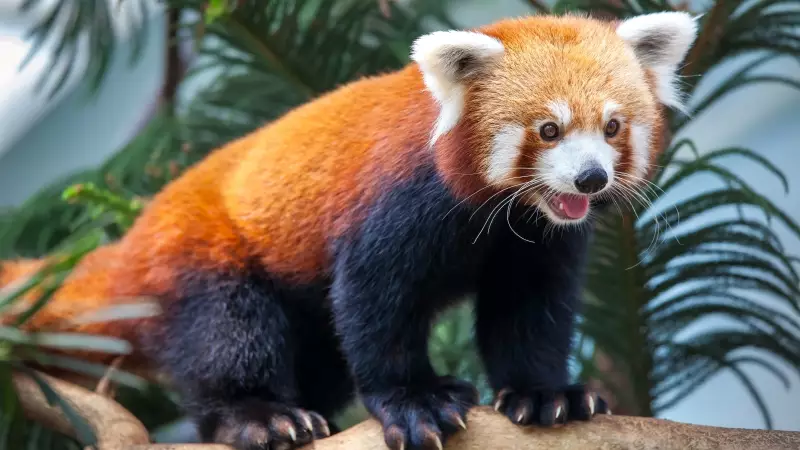
Some of the most beloved creatures in popular culture are famously misnamed. Take the red panda, for instance. Despite sharing part of its name and a love for bamboo with the giant panda, it is not a close relative. The name 'panda' is believed to come from the Nepali word 'ponya' or 'pajā', meaning 'bamboo eater'. Scientifically, red pandas are closer to raccoons, badgers, and skunks. Their misleading name is a classic case of being named for a shared diet rather than genetics.
Similarly, the adorable honey bear is not a bear at all. This nocturnal rainforest animal is actually a raccoon relative known as a kinkajou. Its bear-like nickname comes from its small, furry stature, tree-climbing prowess, and its habit of raiding beehives to lick honey with its long tongue.

Not What They Seem: Marine and Mammalian Mix-ups
The confusion extends into the oceans and skies. The whale shark, the world's largest fish, is a shark, not a whale. This cartilaginous fish earned its name purely due to its massive size and filter-feeding habits, which are similar to baleen whales. It can grow up to a staggering 18.8 metres in length.
Another marine misnomer is the killer whale. Originally dubbed 'whale killers' by sailors who observed their ferocious hunting of larger whales, the name eventually flipped. Scientifically, orcas are the largest members of the dolphin family, capable of growing up to 7 meters long.
In the air, the flying fox causes similar bewilderment. It is not a fox but one of the largest bat species in the world. Its face bears a striking, furry resemblance to a fox, hence the name. These bats are frugivores, consuming up to 35% of their body weight in fruit daily.
Pigs, Cats, and Lemurs That Aren't
Back on land, the common guinea pig is neither a pig nor from Guinea. This popular rodent's name has several theories. One suggests it entered Europe via trade routes that passed through Guinea. Another points to its pig-like squeaking sounds. Interestingly, its German (Meerschweinchen) and Polish (świnka morska) names also include references to pigs.
The bearcat, or binturong, is a Southeast Asian civet that is neither bear nor cat. Its feline face and bear-like body led to its hybrid name. It holds the unique distinction of being the only living species in its genus, Arctictis, and is famous for smelling like buttered popcorn.
Finally, the flying lemur completes our list. Native to Southeast Asia, it cannot fly and is not a lemur. It glides using a membrane called a patagium. Its name comes from its facial similarity to lemurs and its impressive gliding ability, often mistaken for flight. Evolutionarily, it is closer to primates than to true lemurs.
These examples show how animal names often capture a moment of human observation or error, becoming cemented in language and culture long before scientific clarity arrived. They remind us that sometimes, in the natural world, a name is just a story—and not always an accurate one.