The Indian art scene begins 2026 with a compelling array of solo exhibitions across major cities, inviting audiences to engage with profound themes of memory, aspiration, and political witness. From Mumbai to New Delhi and Bengaluru, galleries are presenting works that challenge perceptions and blur boundaries between different eras and ideas.
Kamrooz Aram: Painting as a Palimpsest in Mumbai
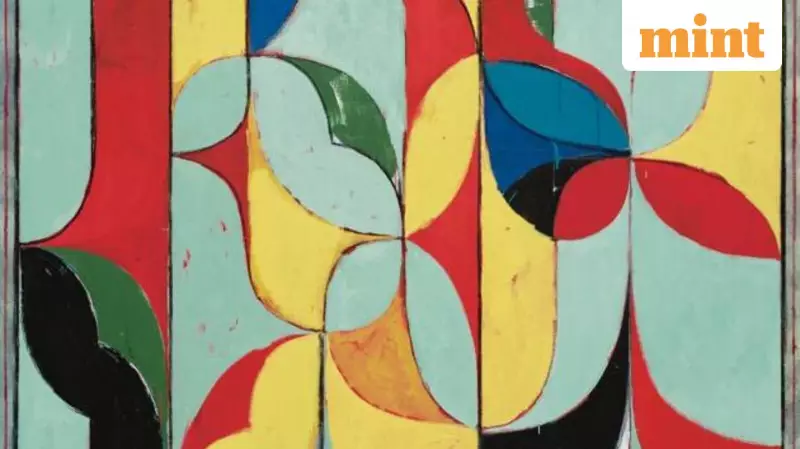
At Nature Morte in Mumbai, artist Kamrooz Aram presents his exhibition Fragment and Division. Born in Iran and now working from Brooklyn, USA, Aram uses painting to interrogate art history itself. His process is central to the work, where each composition evolves through continuous revision.
The gallery's curatorial note explains that the surface of his paintings acts like a palimpsest, where traces of earlier choices remain visible. This method serves as a record of time, artistic labor, and the fragile nature of visual memory. The exhibition frames fragmentation not just as a visual tactic but as a core conceptual approach. Viewers can experience this inquiry from 8 January (6-9pm opening) until 21 February, with regular hours from 11am to 7pm.

Rajesh Ram's Dreams and Vulnerability in Delhi
Meanwhile, in the capital, Palette Art Gallery hosts Rajesh Ram's solo show titled Chhoti Baatein, Bade Sapne. The Jharkhand-born artist focuses on three recurring motifs: a young boy, abundant nature, and boats. The figure of the boy is particularly potent, symbolizing vulnerability, resilience, and the early formation of awareness.
One striking piece, Muthi Bhar Bachpan, depicts a small child struggling under the weight of his harvest. This image, described as both tender and politically charged, speaks volumes about labor, hope, and the heavy burden of dreams. The exhibition will be on view until 22 January, daily from 11am to 7pm.
Witnessing History: From Bangladesh to Bengaluru
Two other exhibitions powerfully address socio-political narratives. At Vadehra Art Gallery in Delhi's Defence Colony, Bangladeshi artist Ashfika Rahman presents Of Land, River and Body. This solo show features large-scale installations, photography, and interactive audio-visual elements that investigate indigenous violence, land dispossession, and the politics of fear in South Asia. It runs until 24 January from 10am to 6pm, closed on Sundays.
In Bengaluru, the focus shifts to documentary film with a screening of Gail & Bharat. Organized by Vikalp Bengaluru with the Bangalore International Centre, the film traces the intertwined lives of sociologist Gail Omvedt and activist Bharat Patankar within India's major social and political movements. A post-screening discussion will feature director Somnath Waghmare in conversation with journalist Sudipto Mondal. This event takes place on 7 January at 6:30pm at the Bangalore International Centre in Domlur.
These diverse exhibitions and screenings underscore the vibrant and critical role of art in contemporary India. They offer spaces for reflection on personal memory, collective history, and the ongoing struggles that shape the region, making January a key month for art enthusiasts.