12 Artists Transform 300kg of Luxury Fabric Scraps into Sustainable Art Exhibition
In a powerful artistic response to the growing problem of interior textile waste, twelve creators have come together to transform 300 kilograms of luxury fabric scraps into a breathtaking exhibition titled Fabric of Our Lives. This innovative showcase represents a significant wake-up call about the hidden environmental impact of the interior design industry's discarded materials.
The Hidden Menace of Interior Textile Waste
While fast fashion's environmental consequences receive considerable attention, the dark underbelly of interior textile waste remains largely overlooked. Behind well-furnished homes, offices, and hotels lies a growing mountain of discarded fabrics, patches, and scraps from furnishings and decor. These materials, often built to last for decades or even a century, create an unseen sustainability challenge that rarely enters public discourse.
The scale of this issue becomes apparent when considering market figures. According to market research company IMARC, India's home furnishing market reached Rs 56,330 crore in 2024 and is projected to expand to Rs 1,03,880.10 crore by 2033. Despite this massive economic activity, the exact amount of waste generated by the interior textile industry remains undocumented and unaddressed.

Artistic Collaboration Against Waste
The exhibition, running from February 3 to 8 at Pune's Raja Ravi Varma Gallery, represents a collaboration between two creative entities: ReFAB Studio India, which specializes in bespoke lifestyle products, and Creative Club, a studio focused on art, pottery, and clay sculpture. This partnership brings together diverse artistic perspectives to tackle the challenge of textile waste through creative expression.
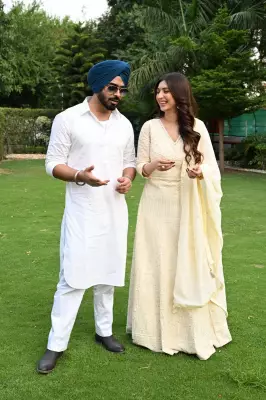
ReFAB founder Rewati Prabhu, an architect and urban designer, describes her motivation for initiating this project. "My friend, an interior designer in London, contacted me about the beautiful fabric samples premium brands were sending her. She was throwing them away but felt they were too exquisite to discard," Prabhu recalls. "When I visited her, I was completely unprepared for both the scale and the beauty of these fabrics destined for the bin."
The Challenge of Luxury Fabric Waste
Premium interior brands typically release three or four collections annually, each representing the innovative work of textile designers who experiment with patterns, weaves, and colors to create pieces of remarkable beauty. "Yet, when one collection concludes, the focus immediately shifts to developing the next," explains Prabhu. "There's no incentive or system for dealing with the leftover materials from previous collections, despite their quality and aesthetic value."
ReFAB, an initiative of the Kartik Memorial Foundation dedicated to uplifting youth and disadvantaged communities, focuses specifically on creating lifestyle products from luxury fabrics that would otherwise end up in landfills. For this exhibition, they partnered with Sujata Dharap of Creative Club, bringing together a dozen artists to work with 300 kilograms of unused interior textile materials.
Artistic Exploration and Transformation
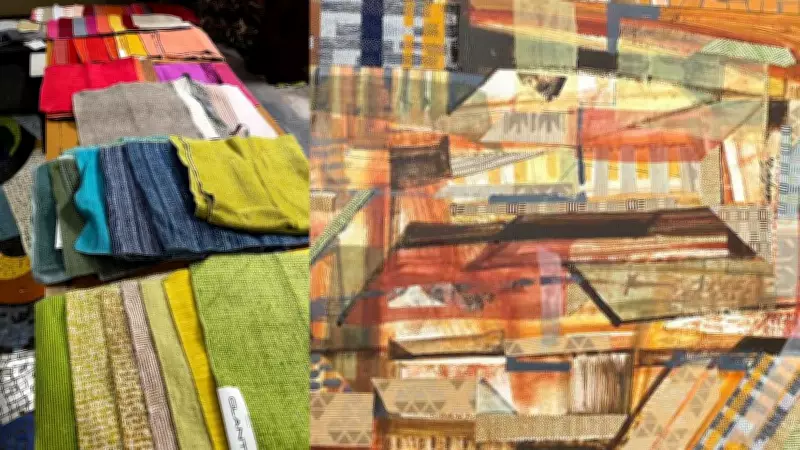
The participating artists faced both challenge and inspiration as they engaged with unfamiliar materials. "The artists were invited to choose their fabrics from a diverse selection," says Dharap. "We had velvet, jute, handloom, sheers, coarse materials, fluffy textures, prints, checks, lines, and bold colors. The fabrics arrived in big bags, boxes, and gunny sacks filled with pieces ranging from small to medium sizes."
For many artists accustomed to working with acrylics in two-dimensional formats, textiles presented a completely new medium. "Suddenly, they were exploring this unfamiliar material, which required different techniques and approaches," Dharap notes. This exploration resulted in a mind-boggling array of artworks that showcase both technical skill and creative vision.

Quality and Sensibility in Sustainable Art
The exhibition emphasizes quality craftsmanship and refined sensibilities, with most works employing mixed media approaches. Artists have combined fabrics with metal, wood, ceramic, thread, and found objects, creating multidimensional pieces that highlight the inherent beauty of the materials. Intricate embroidery and thoughtful embellishments draw out the unique character of each textile, transforming waste into works of art.
"I believe people should care about this issue because we need to fundamentally reconsider how we consume everything," emphasizes Prabhu. "The artists' works demonstrate that beauty can emerge from waste. This isn't merely about aesthetic appeal—it's about taking a position and saying, in the broadest sense, that we must awaken to our consumption patterns."
The Fabric of Our Lives exhibition serves as both an artistic achievement and an environmental statement, inviting viewers to appreciate the potential of discarded materials while reconsidering their relationship with consumption and waste in the interior design industry.