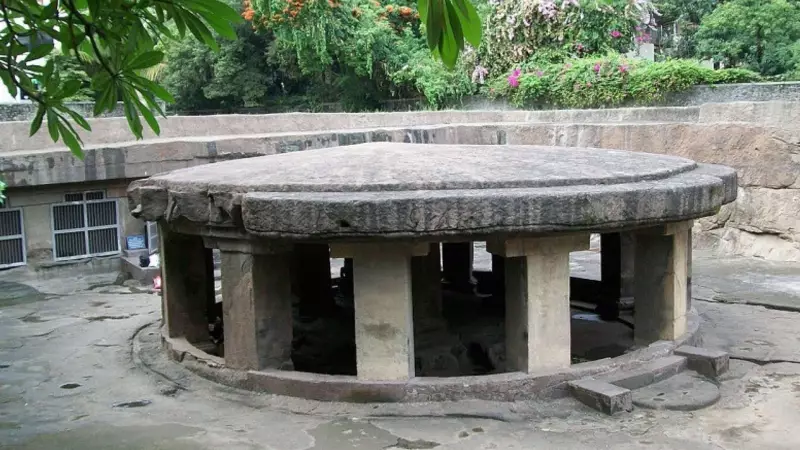
In a significant move to bridge the gap between ancient heritage and modern technology, the Archaeological Survey of India (ASI) has unveiled a novel 'virtual' tour experience for the historic Pataleshwar Caves in Pune. This initiative aims to transform how residents and tourists engage with the 12-century-old rock-cut monument, which often goes unnoticed in the city's bustling center.
Blending Digital Innovation with Ancient History
The newly launched project offers a free, QR code-aided digital guide for visitors. By simply scanning a code, guests can access an immersive narration that details the site's rich history, explains the symbolism behind its intricate carvings, and reveals the purpose of its construction. Dr. Abhijeet Ambekar, Superintending Archaeologist at ASI, emphasized that the core idea is to make the heritage experience straightforward and widely accessible.
Technologically supported by Pune-based firm GloriTel Digital, the project creates a comprehensive "digital walk-through." A key feature is an LED screen installed at the entrance, which acts as a visual 'teaser,' providing a short preview of the caves. According to Nitin Menavaikar from GloriTel, this wall, along with content captured using a 360-degree camera and VR goggles, crafts a unique, one-of-a-kind experience for the audience.

Multilingual Narration and Inclusive Future Plans
The virtual tour is designed with a broad audience in mind. The narration is currently multilingual, and the team is working to include German, Russian, and French options to cater to international tourists. Menavaikar highlighted the goal of attracting younger demographics who are more receptive to interactive digital formats. Furthermore, the project meticulously highlights unique aspects of the caves, such as the rare rain-harvesting system within the complex and provides a superimposed view of the monument's incomplete sections.
Ensuring factual accuracy, the narration script has been authored by the ASI itself. The digital guide also serves a practical purpose, offering reliable information even when trained human guides are not available. Looking ahead, GloriTel plans to introduce sign language videos for visitors with hearing disabilities at Shaniwar Wada and is preparing for similar digital projects at other major heritage sites.
Part of a Broader Conservation Strategy
Dr. Ambekar clarified that this digital effort is part of a larger ASI strategy to integrate technology with conservation. The focus remains on preservation rather than reconstruction. For instance, at the Pataleshwar Caves, the ASI is preparing to undertake structural work on the Mandir Mandap section strictly for preservation.
This approach extends to other monuments. At Shaniwar Wada, plans are underway to use a laser-based hologram to recreate the lost structure of Ganesh Mahal, a safer alternative to physical restoration that could risk the existing remains. Similar digital experiences are also in the pipeline for the renowned Kanheri and Elephanta cave complexes.
The launch, which took place in early December 2025, represents a forward-thinking model for heritage management. By using digital tools as a 'teaser' and an educational resource, the ASI and its partners hope to foster a deeper appreciation for India's archaeological treasures, ensuring that every story carved in stone is heard clearly by future generations.