Bengaluru Exhibition Unveils Rare British-Era Botanical Surveys
An exhibition currently underway in Bengaluru is offering a fascinating glimpse into the botanical surveys conducted during the British colonial period in India. This event showcases a collection of rare documents, illustrations, and records that detail the extensive plant documentation efforts undertaken by British botanists and surveyors in the 19th and early 20th centuries.
Historical Significance of the Botanical Documentation
The exhibition highlights how these surveys played a crucial role in cataloging India's rich biodiversity. British-era botanical surveys were instrumental in identifying and classifying numerous plant species, many of which were previously unknown to Western science. The displays include meticulously preserved herbarium sheets, detailed botanical drawings, and written accounts that provide insights into the methodologies and challenges faced by surveyors of that era.
These historical records not only serve as a testament to the scientific endeavors of the past but also offer valuable data for contemporary botanical research and conservation efforts. The exhibition emphasizes the enduring legacy of these surveys in shaping modern Indian botany and environmental studies.

Key Features and Highlights of the Exhibition
The event features several notable exhibits that draw attention to the breadth and depth of the botanical work conducted during the British period:
- Original survey maps and charts that outline the geographical distribution of various plant species across different regions of India.
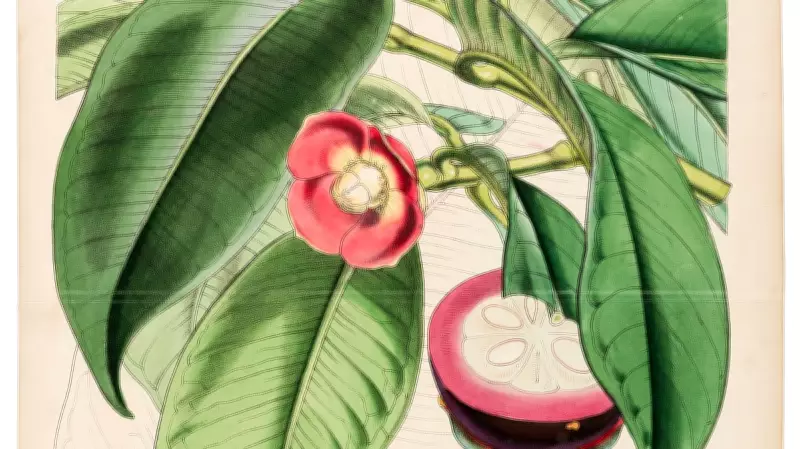
- Hand-painted illustrations and lithographs depicting flowers, trees, and medicinal plants, showcasing the artistic skill involved in botanical documentation.
- Archival documents, including field notes and correspondence between botanists, which reveal the collaborative nature of these scientific explorations.
- Interactive displays and informational panels that explain the historical context and significance of the surveys to visitors.
Organizers have noted that the exhibition aims to educate the public about this often-overlooked aspect of India's colonial history and its contributions to global botanical knowledge.
Impact on Modern Science and Public Engagement
By presenting these historical materials, the exhibition seeks to bridge the gap between past scientific achievements and current environmental awareness. The detailed records from the British-era surveys are still referenced by researchers today for studies on plant taxonomy, ecology, and climate change impacts on vegetation.
Furthermore, the event encourages public engagement with science and history, attracting botanists, historians, students, and general enthusiasts alike. It serves as a reminder of the importance of preserving historical scientific documents for future generations.
The exhibition in Bengaluru is part of a broader effort to celebrate and preserve India's natural heritage, highlighting how historical endeavors continue to inform and inspire contemporary scientific inquiry.