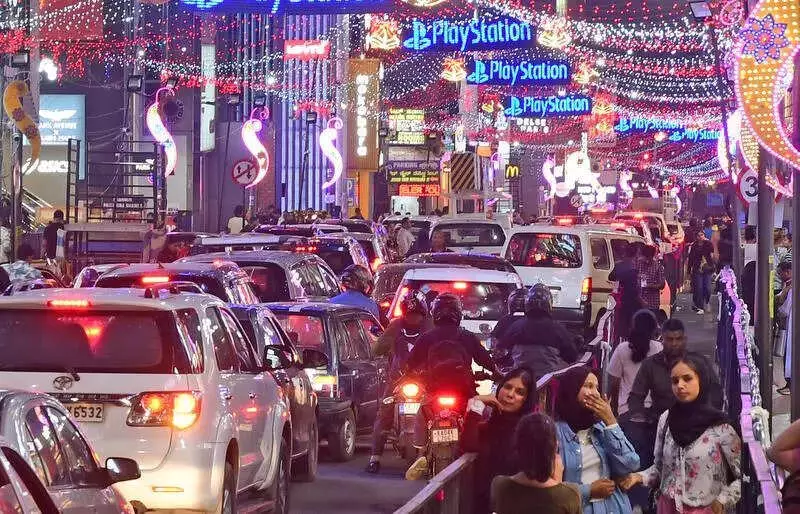
As 2026 draws near, a significant transformation is reshaping how young Bengaluru residents plan to welcome the New Year. Moving away from the conventional chaos of loud parties and congested streets, a growing segment of the city's youth is embracing quieter, more introspective, and spiritually aligned celebrations.
The Rise of Serene and Spiritual Celebrations
For many in India's tech capital, the traditional plans of braving the bustle of Brigade Road, Church Street, or packed pubs and restaurants are losing their appeal. Instead, a preference for slower, sober, and more meaningful observances is taking root. A quick look at popular event-curation platforms reveals this interesting shift, showcasing listings for candle-lit bhajan gatherings extending past midnight, sound-healing sessions under the open sky, lantern lighting events, and digital detox camps on the city's outskirts.
"My friend and I planned to leave around 2am and ride 100km towards a hill. Within the city, we experienced the party scene before, but now it feels like a hassle because of the crowd and traffic. I'd much rather spend quality time in nature away from the noise — it feels like a better way to ring in the New Year," explained Shrisha Kunjoor, 28, a resident of RR Nagar. This sentiment is echoed by others who are opting for intimate house parties and private gatherings for safety and comfort.

From Acts of Kindness to Measured Festivities
For some, the new beginning is marked not by celebration but by contribution. Pallavi Prakash, from Basavanagudi, has chosen to spend January 1st acting as a scribe for two visually challenged students during their exams. "For me, true happiness lies in creating a path for myself and others and doing good. I choose to start the New Year this way because one day, when they think of me, they will wish well for me, and I count them as blessings," Pallavi shared.
Despite this clear trend towards quieter celebrations, traditional parties have not disappeared, but their scale has changed. Ananth Narayan, chapter head of the National Restaurants Association of India (NRAI)-Bangalore, notes a noticeable decline in footfall compared to previous years. The industry anticipates a 20–30% increase over a regular weekday, but not the massive surges seen a decade ago. "People haven't stopped celebrating—but how and where they celebrate has changed significantly," he stated.
Understanding the Shift in Consumer Behavior
Narayan attributes this change to several factors: rising costs, the convenience of 10-minute home deliveries, traffic concerns, and heightened safety considerations. The core demographic for outdoor events and restaurants, aged 23 to 40, now prioritizes organized, safer, and experience-driven celebrations over chaotic party zones. This makes quality restaurants and restobars their preferred choice when they do step out.
This evolution in celebration patterns highlights a broader urban trend among Bengaluru's youth—a conscious move towards wellness, personal connection, and mindfulness, even in the midst of annual festivities. The New Year's vibe in the city is decidedly turning inward, becoming more spiritual, serene, and self-reflective.