Betul's 150-Year-Old Carnival: A Vibrant Celebration of Goan Heritage and Unity
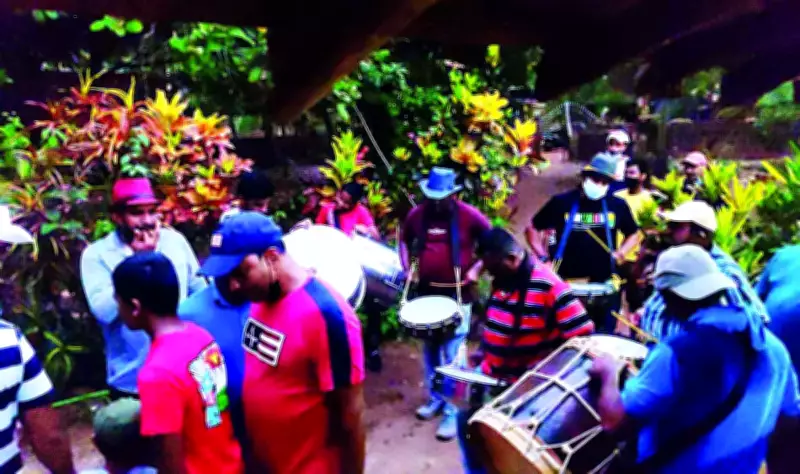
The residents of Betul in Agonda village, Goa, recently celebrated their traditional Carnival, known as Betulkarancho Carnaval, an age-old cultural festival that dates back an impressive 150 years. This annual event is a powerful reflection of unity, enthusiasm, and deep-rooted heritage, drawing the community together with great devotion and excitement.
Meticulous Preparations and Musical Traditions
Although the festivities officially span three days, preparations begin well in advance, ensuring every detail is perfect. Participants meticulously inspect and prepare their musical instruments, which play a vital role in the celebrations. Instruments such as Tasha, drums, ghumat, and brass finger cymbals known as Kasal are carefully cleaned, repaired, and tuned to achieve perfect musical harmony during the festival.
Ceremonial Start and Community Participation
The celebration kicks off with a traditional ceremony called Dolar Bodi Mar, which translates to striking the stick on the drum. The programme begins with a prayer seeking blessings for a successful celebration. Following the prayer, an elder or designated community member strikes the drum or ghumot, marking the official start of the Carnival at a traditional location known as the Mandd.

As the Carnival days approach, excitement spreads throughout the ward. Many residents who work outside the village or abroad make special efforts to return home and participate in the festivities. A significant part of the celebration involves villagers visiting the houses of their vaddekars. Hosts warmly welcome the group, join in the dances, and offer sweets as a gesture of joy and hospitality. Before leaving each house, participants sing a thanksgiving song, symbolising gratitude and respect.
Evolution of Traditions Over Time
Elders in the community recall that in earlier times, the celebration was even more extensive. Participants would travel across the village, staying away from home for two days, and receive food and shelter from the households they visited. Over the years, the tradition has evolved. Due to the increasing number of houses, the group now limits their visits to families originally belonging to Betul and Mudkud wards, adapting to modern changes while preserving core values.
A Symbol of Cultural Identity and Social Bonds
Betulkarancho Carnaval continues to stand as a proud symbol of cultural identity, strengthening social bonds and preserving the rich traditions of Betul. This festival not only honors the past but also fosters community spirit, ensuring that heritage is passed down to future generations with the same enthusiasm and unity that has defined it for 150 years.