

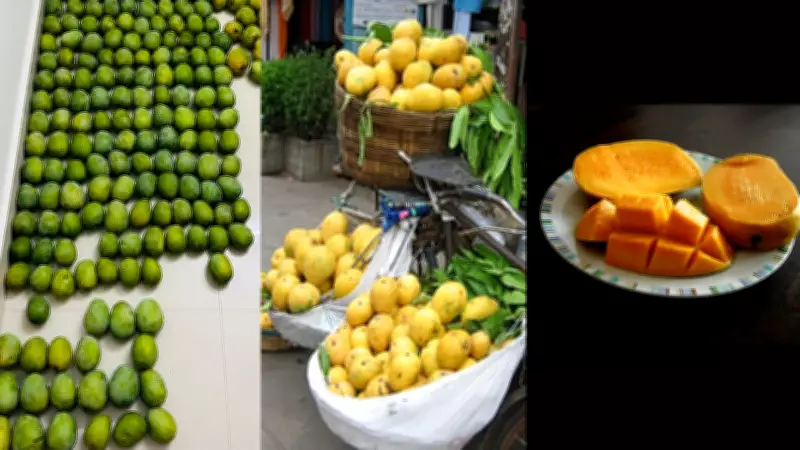
Beyond Alphonso: Exploring Unique Indian Mango Varieties
India's relationship with the mango extends far beyond the well-known Alphonso variety. While the Alphonso captivates with its distinct flavor and smooth texture, numerous other varieties offer diverse tastes and textures that remain less recognized. From the aromatic farms in northern India to the tropical regions in the south, these mango varieties carry rich tradition and history, allowing consumers to explore new flavors while supporting local farming communities.
Unique Indian Mango Varieties Beyond Alphonso
Langra is a prime example. Grown primarily in Uttar Pradesh and Bihar, this mango features an appealing fibrous texture and a sweet-sour taste. Its unique aroma makes it suitable for both table consumption and processing into products like juices and pickles.
Banganapalli, cultivated in Andhra Pradesh, is another notable variety. It is large, golden yellow, and has a mild, sweet taste. As one of the early mango varieties available, it plays a significant role in India's mango exports.

Kesar, often called the "Queen of Mangoes," is a bright orange mango with a sweet flavor. It closely rivals the Alphonso due to its high carotenoid content, which gives it both color and nutritional value.
Regional Diversity of Indian Mangoes
India's varying weather conditions greatly influence mango diversity. For instance, Himsagar from West Bengal is renowned for its juicy, fiberless flesh and relatively short shelf life. Meanwhile, Imam Pasand from Tamil Nadu is recognized for its rich flavor, combining sweetness with a subtle citrus undertone.
According to research by the Department of Horticulture, College of Horticulture, "India produces more than 1,000 different mango varieties, most of which are regional types that lack commercial success." This highlights the vast, untapped potential of lesser-known mangoes.
Why Explore Lesser-Known Mangoes
Exploring less-known mango varieties is important for several reasons. Beyond offering unique tastes and promoting sustainability, these varieties help farmers maintain greater agricultural diversity. Each mango variety carries its own history. For example, the Langra mango traces its origins back hundreds of years, while the Imam Pasand mango was favored by Indian royalty. By expanding your mango palate, you gain access to a wider range of Indian history and culture.
Ultimately, while the Alphonso mango is iconic, it represents only one chapter in India's rich mango heritage. Embracing lesser-known varieties enriches both the palate and the agricultural landscape.






