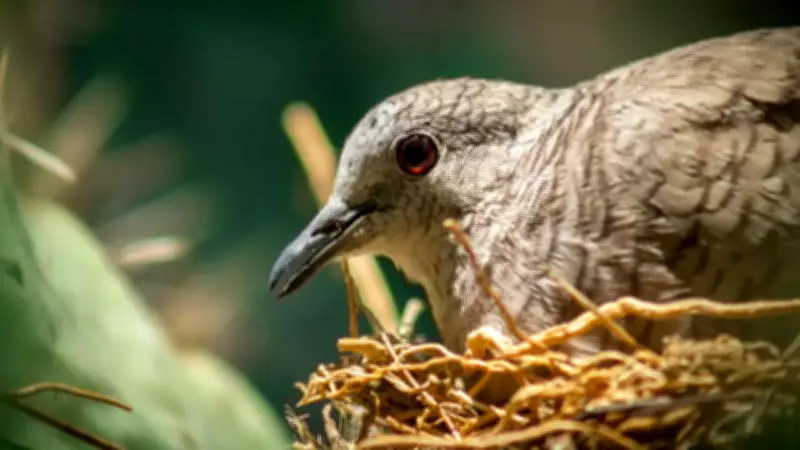
Beyond Birds: 5 Surprising Animals That Build Nests Like Nature's Architects
When we think of nest builders, birds immediately come to mind with their intricate twig and leaf constructions. However, the animal kingdom is filled with diverse architects who create nests for safety, shelter, and raising their young. From underground tunnels to foam structures, these animals demonstrate remarkable engineering skills that rival even the most skilled bird species.
1. Ants: The Underground Engineers
Ants are master nest builders with sophisticated construction techniques. Some species excavate elaborate underground networks with multiple chambers and tunnels, while others build above-ground structures using materials like twigs, sand, or gravel. Weaver ants stand out particularly for their innovative approach—they pull leaves together and use silk produced by their larvae to bind the nest securely. These nests serve as protective fortresses that organize colony life and shield inhabitants from predators and environmental threats.
2. Termites: The Climate-Control Specialists
Termites construct some of the most complex nests in the animal world. Their structures maintain warm, damp, and dark conditions that prevent drying out. Many termite nests feature sophisticated ventilation systems that regulate airflow, temperature, and humidity. Some species build mound-like formations with underground chambers that function as natural climate-controlled habitats, demonstrating remarkable environmental adaptation.

3. Fish: The Aquatic Architects
Several fish species engage in nest building, with the three-spined stickleback being a prominent example. The male constructs nests from plant fragments, binding them together with a sticky secretion produced by his kidneys. These aquatic nests serve dual purposes: attracting females for mating and providing protection for eggs. In fish, nest building is closely tied to breeding behaviors and parental care strategies.
4. Frogs: The Foam Nest Innovators
Certain frog species create unique foam nests as protective environments for their eggs. The frothy mass safeguards eggs from predators, parasites, heat, and dehydration. Remarkably, these foam structures can remain stable for days in tropical conditions, providing a moist, secure habitat until hatching. This represents a clever survival adaptation that maximizes reproductive success in challenging environments.
5. Squirrels: The Treetop Builders
Squirrels construct nests called dreys high in trees for protection. These spherical structures are woven from intertwined twigs and lined with soft materials like moss, grass, leaves, and bark. Built near tree trunks at elevated positions, dreys offer safety from ground predators while providing comfortable shelter. This strategic placement demonstrates squirrels' understanding of predator avoidance and environmental adaptation.
The Universal Purpose of Nests Across Species
Nest building extends far beyond birds, serving fundamental biological functions across the animal kingdom. Whether constructed by ants, termites, fish, frogs, or squirrels, all nests share common purposes:
- Protection from predators and environmental hazards
- Shelter for resting and raising young
- Environmental regulation of temperature and humidity
- Reproductive support for eggs and offspring
Each species adapts nest construction to its unique body structure, habitat requirements, and survival needs. From underground tunnels to treetop spheres, these diverse approaches showcase nature's incredible versatility in solving the universal challenge of creating safe spaces for life to thrive.