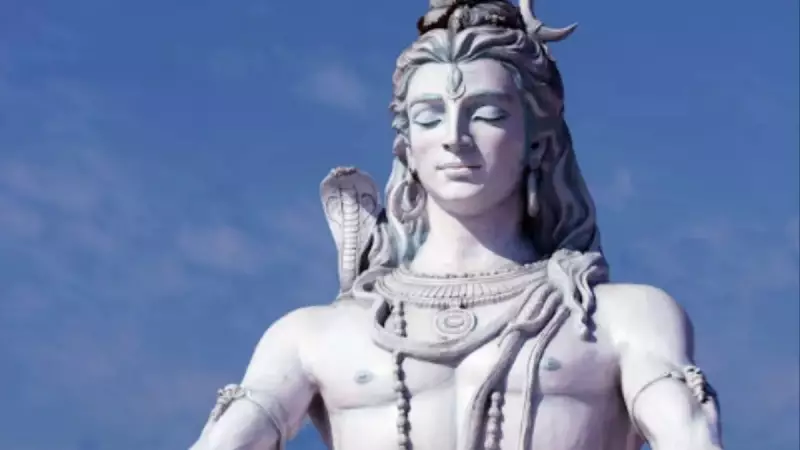
Devotees across India are preparing to observe the auspicious Bhaum Pradosh Vrat on Tuesday, December 2, 2025. This significant fast, dedicated to Lord Shiva, falls on a Tuesday (Mangalwar), which is considered especially powerful. The Pradosh Vrat is observed twice every lunar month, during the waning and waxing phases of the moon, and the one occurring on a Tuesday holds the unique name 'Bhaum Pradosh'.
What is Bhaum Pradosh Vrat and Its Significance?
Pradosh Vrat is a devotional fast kept in honor of Lord Shiva and Goddess Parvati. The term 'Pradosh' refers to the twilight period, just after sunset, which is believed to be the most auspicious time for worship. When this vrat coincides with a Tuesday, it becomes Bhaum Pradosh Vrat. 'Bhaum' is derived from 'Bhuma', another name for the planet Mars (Mangal), which governs Tuesday.
Observing this vrat is said to bring dual blessings. Devotees seek the grace of Lord Shiva for spiritual liberation and the removal of obstacles, while also appeasing the planet Mars. This is believed to mitigate the malefic effects of Mars in one's horoscope, bringing relief from issues related to anger, conflicts, property disputes, and financial hurdles. The fast is considered highly meritorious for fulfilling wishes and ushering in peace and prosperity.

December 2, 2025: Pradosh Kaal Timings and Puja Muhurat
The success of the vrat hinges on performing the puja during the precise Pradosh Kaal. For December 2, 2025, the timings are as follows:
Pradosh Kaal Time: The auspicious window begins at 5:13 PM and concludes at 7:31 PM.
Sunset Time: The sun is expected to set at approximately 5:13 PM on this day.
The most potent time for worship is the brief period shortly after sunset, which marks the start of the Pradosh Kaal. Devotees should complete their evening rituals and begin the Shiva puja as this period commences.
Rituals and How to Observe the Bhaum Pradosh Vrat
The observance of Bhaum Pradosh Vrat involves a set of traditional rituals performed with devotion. Here is a common sequence followed by devotees:
On the day of the vrat, observers typically wake up early, take a bath, and take a vow (sankalp) to observe the fast. Many devotees observe a nirjala (without water) or phalahar (fruit-based) fast throughout the day, though some may opt for a single satvik meal.
As the Pradosh Kaal approaches, they clean the puja area and prepare for the main ritual. The puja involves the following key steps:
- Taking a bath again before the evening puja.
- Establishing a kalash (sacred pot) and invoking the deities.
- Offering prayers to Lord Ganesha first, followed by Lord Shiva and Goddess Parvati.
- Performing Abhishekam of the Shiva Linga with sacred items like water, milk, curd, honey, and ghee.
- Decorating the Linga with Bel Patra (wood apple leaves), which is considered extremely dear to Shiva, along with flowers and Datura.
- Lighting a lamp with ghee or oil and offering incense.
- Chanting the Mahamrityunjaya Mantra and other Shiva mantras, or listening to the recitation of the Pradosh Vrat Katha (story).
- Concluding the puja with the evening Aarti and seeking blessings.
After the puja, devotees often break their fast with a simple, satvik meal. Donating to the needy or feeding a Brahmin is also considered highly auspicious on this day.
The Powerful Benefits of Observing Tuesday Pradosh
The Bhaum Pradosh Vrat is not just a ritual but a spiritual practice believed to yield profound benefits. By sincerely observing this fast and performing the puja during the designated Pradosh Kaal time, devotees pray for:
Planetary Harmony: It is believed to pacify a troubled Mars (Mangal) in one's birth chart, reducing aggression, impulsiveness, and discord.
Material and Spiritual Prosperity: The vrat is said to remove financial blockages, aid in property matters, and bring overall abundance while also enhancing spiritual growth and devotion.

Health and Family Well-being: Blessings of Lord Shiva are sought for good health, longevity, and harmony within the family. It is also believed to help in overcoming fears and enemies.
Fulfillment of Desires: Many observe this vrat with specific wishes (sankalpa), believing that Lord Shiva's grace can help manifest them.
As December 2, 2025, approaches, Hindu calendars and temples are reminding devotees of this sacred opportunity. By marking the Pradosh Kaal from 5:13 PM to 7:31 PM and engaging in heartfelt worship, believers aim to connect with the divine and invite positive transformations into their lives through the powerful conduit of Bhaum Pradosh Vrat.