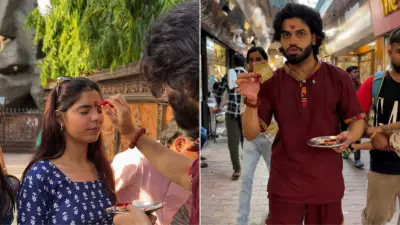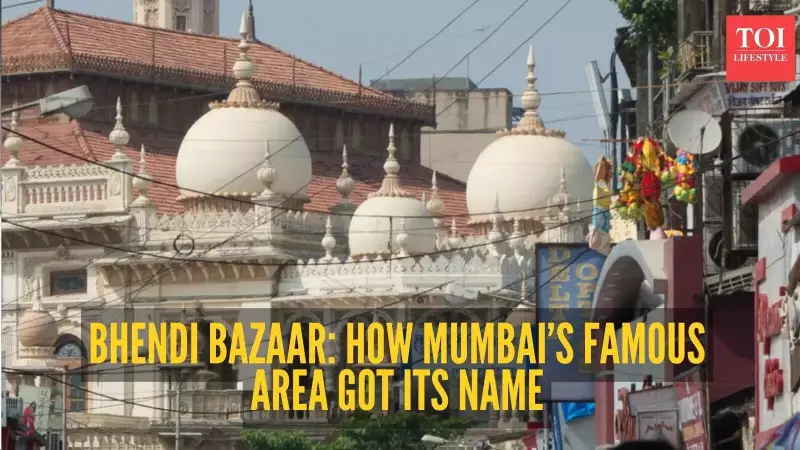
Step into the heart of Bhendi Bazaar, and you are immediately engulfed in a sensory overload. The cacophony of sounds, the relentless human flow, shopkeepers shouting their wares, scooters weaving perilously close, and century-old buildings leaning into one another for support paint a picture of quintessential Mumbai chaos. It's familiar, beautifully messy, and utterly alive.
The Bhindi Myth Gets a Reality Check
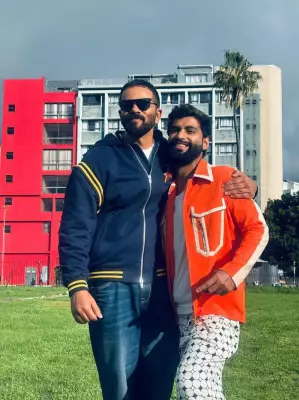
For generations, many assumed the bustling market's name had a culinary connection to bhindi (okra). That popular myth was recently put to rest by celebrity chef and food historian Ranveer Brar. In a characteristic Instagram reel, Brar was seen casually cooking bhindi while casually dropping a historical truth bomb. He explained that the name has absolutely nothing to do with the vegetable.
According to Brar's research, the origin dates back to British-era Bombay. The area was situated directly behind the famous Crawford Market. The British, in their typical straightforward manner, simply referred to it as "behind the bazaar." With daily use and the natural evolution of language in local accents, the phrase was shortened and Indianised. "Behind the bazaar" gradually morphed into the much snappier "Bhendi Bazaar," and the name stuck for good.

An Alternative Theory: The Utensil Connection
However, the "behind the bazaar" story is not the only one circulating. Another longstanding theory suggests a different linguistic root. Some historians and local experts, including Advocate Zubair Azmi of the Bhendi Bazaar Research Academy, point to the Marathi word "bhandi," which means utensils.
This theory is supported by the area's historical demographics. Potters and artisans once lived and worked here, crafting and selling everyday metal and clay utensils. Therefore, it is plausible that a marketplace known for bhandi could, over time, see its name soften into Bhendi Bazaar. Whichever origin story you believe, both conclusively remove okra from the equation.
A Neighbourhood Steeped in History and Community
Historically, Bhendi Bazaar was primarily a residential area for workers who fueled Bombay's burgeoning trade economy under colonial rule. As the city expanded into a major global port, this neighbourhood grew denser, more crowded, and infinitely more vibrant. Its narrow lanes and packed structures often draw comparisons to Old Delhi, but with the distinct, fast-paced energy unique to Mumbai.
Today, it remains a vital cultural and commercial hub, notably home to a large and influential Dawoodi Bohra community, known for their strong business acumen and deep-rooted connection to the locality.
Bhendi Bazaar is not an isolated case of a misleading name in Mumbai. The city's map is dotted with similar linguistic accidents. Chor Bazaar, for instance, wasn't originally a market for stolen goods (chor); it was first known as Shor Bazaar (Noise Market) due to its deafening din. Breach Candy's sweet name has no connection to candy; it derives from "Burj Khadi." Even Colaba finds its roots in "Kola-bhat," named after the Koli fishing community that inhabited the area long before the city's modern skyline emerged.
These names are a testament to the living, breathing history of Mumbai, shaped by accents, habits, and the passage of time. So, the next time someone jokes about Bhendi Bazaar and bhindi, you can confidently correct them. The name isn't about food; it's a capsule of history, people, and the wonderfully strange way a city converses with itself, slowly transforming its own vocabulary through the centuries.