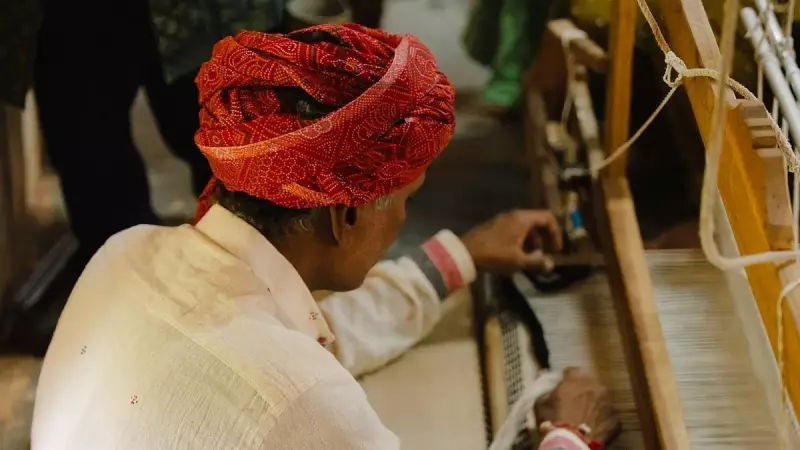
In the arid landscapes of Kutch, Gujarat, a quiet revolution is unfolding as traditional textile artisans transform their centuries-old crafts into sustainable livelihoods. The vibrant threads of Bhuj's textile heritage are being woven into a tapestry of economic empowerment and cultural preservation.
The Living Legacy of Kutch Embroidery
Bhuj, the administrative headquarters of Kutch district, has emerged as a hub where traditional textile magic meets contemporary sustainability. Artisans here practice intricate embroidery techniques passed down through generations, each stitch telling a story of cultural identity and resilience.
The region boasts over sixteen distinct forms of embroidery, each unique to specific communities. From the mirror work of the Rabari tribe to the geometric patterns of the Ahir community, these textiles represent living museums of indigenous knowledge. What makes this revival remarkable is how artisans have adapted ancient techniques to create products that appeal to modern markets while maintaining authentic craftsmanship.

Community Initiatives Driving Change
Several grassroots organizations and social enterprises have played pivotal roles in transforming Bhuj's textile landscape. These entities work as bridges between traditional artisans and global markets, ensuring fair wages and sustainable working conditions.
One such initiative focuses on creating collectives where women artisans can work from their homes, balancing domestic responsibilities with economic activities. This model has empowered hundreds of women, providing them with financial independence while preserving cultural heritage. The collectives also serve as knowledge-sharing platforms where older artisans mentor younger generations, ensuring continuity of traditional skills.
The sustainable aspect extends beyond economic models to environmental consciousness. Many artisans now use natural dyes derived from local plants, minerals, and flowers, reducing the ecological footprint of textile production. This return to natural coloring methods not only benefits the environment but also produces unique, subtle hues that synthetic dyes cannot replicate.
Challenges and Future Prospects
Despite the success stories, Bhuj's textile artisans face significant challenges. Climate change affects the availability of natural resources, while mass-produced imitations threaten market share. However, the community's resilience and adaptability continue to drive innovation.
Digital platforms have opened new avenues for these traditional craftspeople. Social media and e-commerce enable direct consumer engagement, allowing artisans to share their stories and build brand loyalty. This digital presence helps educate consumers about the value of handmade textiles, creating appreciation for the skill and time invested in each piece.
Looking ahead, the focus remains on creating sustainable ecosystems where traditional crafts can thrive without compromising cultural authenticity. Educational programs that teach business skills alongside craft techniques are equipping the next generation of artisans to navigate modern markets while honoring their heritage.
The story of Bhuj's textile magicians demonstrates how cultural heritage and economic sustainability can coexist. Through their needles and threads, these artisans are not just creating beautiful textiles—they're weaving a future where tradition and progress intertwine seamlessly.