Airspace Freeze Over Gulf Region Leads to 350 Flight Cancellations
A sudden and extensive airspace freeze across the Gulf region has triggered the cancellation of approximately 350 flights, causing significant travel disruptions and logistical headaches for airlines and passengers alike. This unprecedented halt in air traffic has impacted numerous international routes, particularly those connecting India, Europe, and other parts of Asia to destinations in the Middle East.
Widespread Impact on Aviation Operations
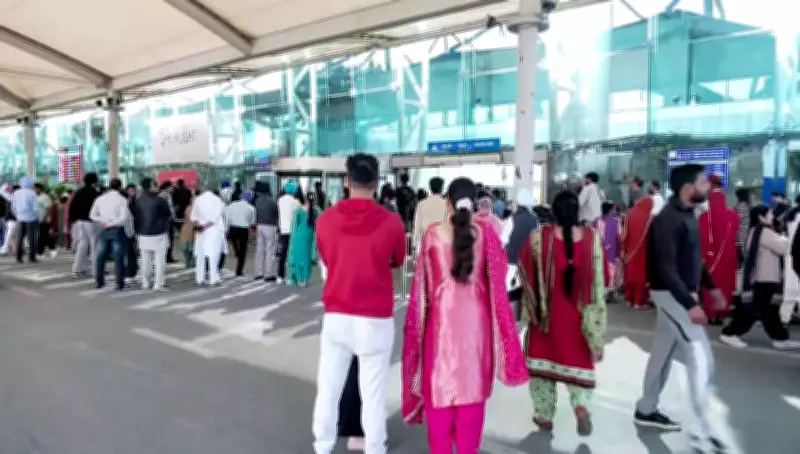
The airspace closure, which came into effect without prior warning, has forced airlines to scramble as they reroute or cancel flights to comply with the new restrictions. Major carriers operating in the region have been compelled to adjust their schedules, leading to delays and cancellations that are expected to ripple through global aviation networks for days. Passengers have been left stranded at airports, with many facing uncertainty over alternative travel arrangements and potential financial losses.
Causes and Immediate Consequences
While the exact reasons for the airspace freeze remain under investigation, initial reports suggest it may be linked to heightened security concerns or diplomatic tensions in the area. The freeze has not only disrupted passenger flights but also affected cargo operations, potentially delaying the shipment of essential goods and impacting international trade. Airlines are now working overtime to manage the fallout, offering refunds or rebooking options to affected travelers, though the process is proving chaotic due to the sheer volume of disruptions.

Long-Term Implications for Travel and Economy
This incident highlights the vulnerability of global air travel to regional geopolitical events. Experts warn that such airspace freezes can have lasting economic repercussions, including increased operational costs for airlines and a decline in tourism revenue for affected countries. As authorities work to resolve the situation, travelers are advised to stay updated with their airlines and consider flexible booking policies in the future to mitigate similar risks.