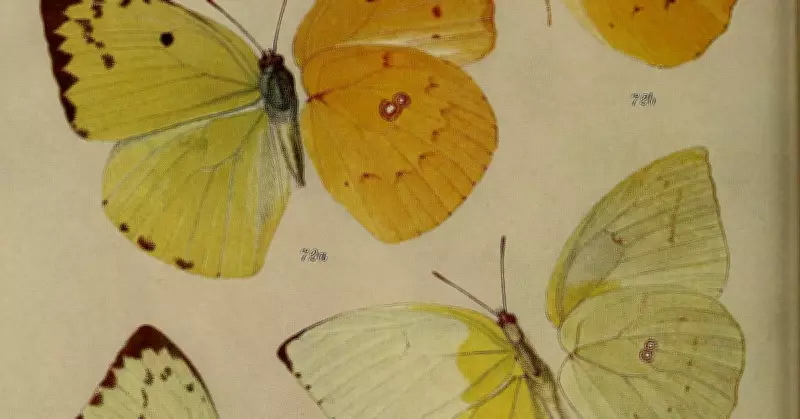
The Bombay Natural History Society (BNHS) has spent nearly a century and a half documenting and protecting India's biodiversity, from rare museum specimens to nationwide conservation projects. Founded in 1883, the BNHS is one of the oldest natural history organizations in the world, with a mission to conserve India's natural heritage through research, education, and advocacy.
A Legacy of Scientific Discovery
The BNHS houses a vast collection of over 1.5 million specimens, including birds, mammals, reptiles, insects, and plants. This collection is a treasure trove for scientists and researchers, providing insights into India's ecological history and current biodiversity. According to Dr. Asad Rahmani, former director of BNHS, "The society's collections are a vital resource for understanding and protecting India's wildlife."
Conservation in Action
Beyond its museum, the BNHS has been instrumental in key conservation initiatives. It played a pivotal role in Project Tiger and the Indian Rhino Vision 2020 program. The society also conducts bird ringing (banding) studies, tracking migratory patterns of species like the Amur falcon. In 2023, BNHS launched a citizen science project called "India's Birds" that has already recorded over 10,000 species observations from volunteers across the country.

Educating the Next Generation
The BNHS runs educational programs for students and teachers, including nature camps, workshops, and field trips. Its publication, the Journal of the Bombay Natural History Society, has been in print since 1886 and is a leading scientific journal on Indian natural history. The society also advocates for policy changes, such as the Wildlife Protection Act of 1972, which it helped shape.
Challenges and Future Plans
Despite its achievements, BNHS faces funding constraints and the challenge of engaging a new generation. The society plans to expand its digital outreach, including a virtual tour of its museum and an online database of its specimens. As Dr. Rahmani notes, "We need to make natural history accessible to all, especially young people, to ensure the future of conservation in India."
The BNHS remains a beacon of hope for India's wildlife, combining scientific rigor with public engagement to protect the country's rich natural heritage for generations to come.